
Constipation, dysautonomia, and other illnesses -Fecal microbiota transplantation case report of a woman in her 30s
Case presentation: Female in her 30s, constipation, dysautonomia, other illnesses (under follow-up)
summary
She has been diagnosed with polycystic ovaries due to irregular menstrual periods. Due to stress and other factors, her cravings for sweets increased and she began to gain weight. She was careful with her diet and once her weight improved, but around that time, around August 2018, she started losing hair and also had irregular menstruation, so she started hormone therapy at her gynecologist. She stopped the hormone treatment because of her health problems and further weight gain due to the hormone treatment. After discontinuing hormone therapy, her weight did not decrease and her hair loss was not cured.
She had been using laxatives for constipation since she was about 20 years old, but they were no longer effective and she started using enemas. Since then, he has had to use enemas in combination with constipation to have a bowel movement at all. However, even if it comes out, his tummy does not feel relieved, and he suffers from a strong tummy ache. Therefore, she takes enema twice a day, but it does not clear her stomach. The examination at the gastroenterologist’s office showed that her intestines were not moving and that a large amount of gas was accumulating.
I am concerned about swelling of my face and abdomen.
He visited our clinic in February 2019 and was referred to nephrology and endocrinology because he is in a state of hormone disruption. Her kidneys are functionally normal and her endocrinology has calmed down by stopping hormone disruption with supplements.
During transplantation, her stomach becomes tight and gassy when she eats, but her appetite increases in contrast. She is experiencing symptoms related to endocrine abnormalities such as abnormal menstruation, insomnia, obesity, and hair loss, but fundamentally, she believes that the other symptoms will not resolve until the gastrointestinal problems are resolved.
Basic Information
| Patients : | 30’s Female |
| Attending physician : | Haruna Clinic |
| Medical institution in charge of transplantation : | Haruna Clinic |
Information at the time of initial medical examination
| Disease name : | Constipation, hair loss, obesity, hormonal abnormalities, insomnia |
| Time of onset : | 20 years old |
| Transplant Purpose: To | Constipation Sleep disturbance Other (hair loss, Menstrual irregularities, hormonal abnormalities) |
| Chief complaint : | Obesity, hair loss, constipation, upset stomach, irregular menstruation |
| Medications being taken : |
Herbal medicine, pro- and pre-biotics |
| Medical history : |
Nothing |
| Background, family history, lifestyle, supplement use, etc : |
Transplant Information
| Transplantation period: from | September 14, 2019 – December 5, 2019 |
| Number of transplants : | 6 times |
| Change from first transplant to end of transplant : |
|
During the six transplants, there was no change at all. 【1st transplantation questionnaire】 |
| Changes after completion of transplant : |
| No change |
Evaluation and Discussion
| Transplant Evaluation : | No change |
| Pre- and post-transplant flora balance test changes : |
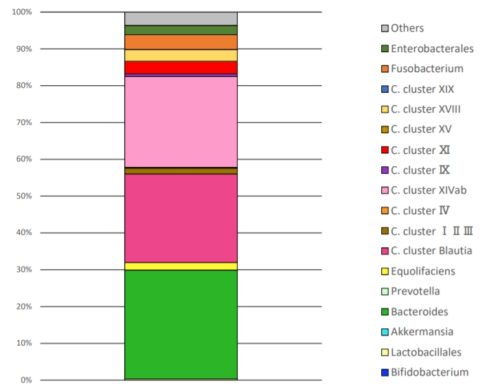
In the pre-transplant flora test, diversity is poor except for the number of C.claster group detected. However, the content of the C.claster group is very poor. As for the percentage of equol-producing bacteria related to female hormones, it is not a problem, and there may be other causes of hair loss. |
| Blood test changes : | Not implemented |
| POMS2 SCORE CHANGE : | IN THE FIRST CASE, CONFUSION AND TENSION ARE VERY HIGH AND FRIENDLINESS IS QUITE LOW; TMD IS ALSO QUITE HIGH AT 106 AND MENTAL STRESS IS QUITE HIGH. |
< Intestinal flora balance 1st data >
| His/her experience (from the questionnaire) : |
| I don’t feel any different after the transplant. |
| Adverse events: No |
| Nothing |
| Transplant General Comments and Discussion : |
| He has had 6 transplants, but there has been no change. He is mentally trying to grow the bacteria in a positive manner and is reviewing his diet and lifestyle. However, his symptoms are not getting better, and he is becoming impatient. The intestinal movement is a little after the transplant, but it feels as if the intestines are in a state of paralysis. Fundamentally, I believe that the endocrine abnormalities will not be resolved until the gastrointestinal problems are resolved. |
… and upwards
その他の Intestinal flora transplantation and case studies に関する記事
Articles about other Intestinal flora transplantation and case studies
September 22, 2026
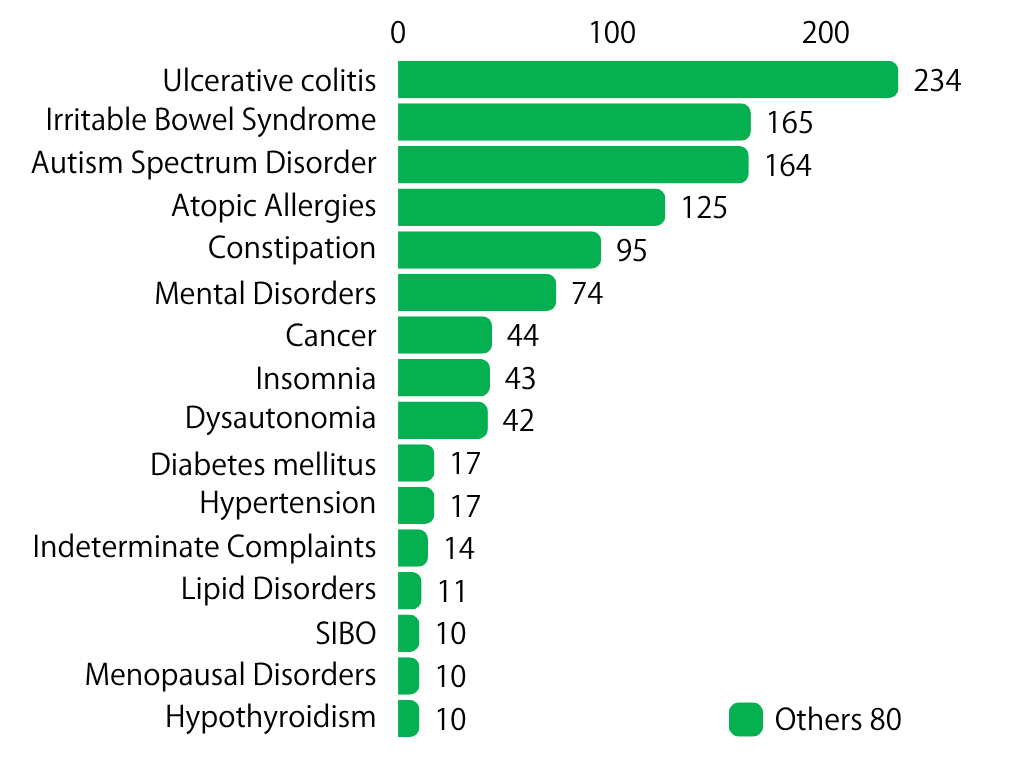
Fecal microbiota transplantation results *As of September 22, 2026
The number of actual fecal microbiota transplants by case in our study group is as follows Total transplant patients: 710 *Note: Due to overlapping counts for patients with multiple comorbidities, the sum of disease-specific cases exceeds the actual patient count. *Note: Psychiatric disorders include depression, bipolar disorder, panic disorder, anxiety disorders, etc. Case reports by […]
June 05, 2026
糞便微生物叢移植 症例紹介|アトピー・アレルギー・10代男性
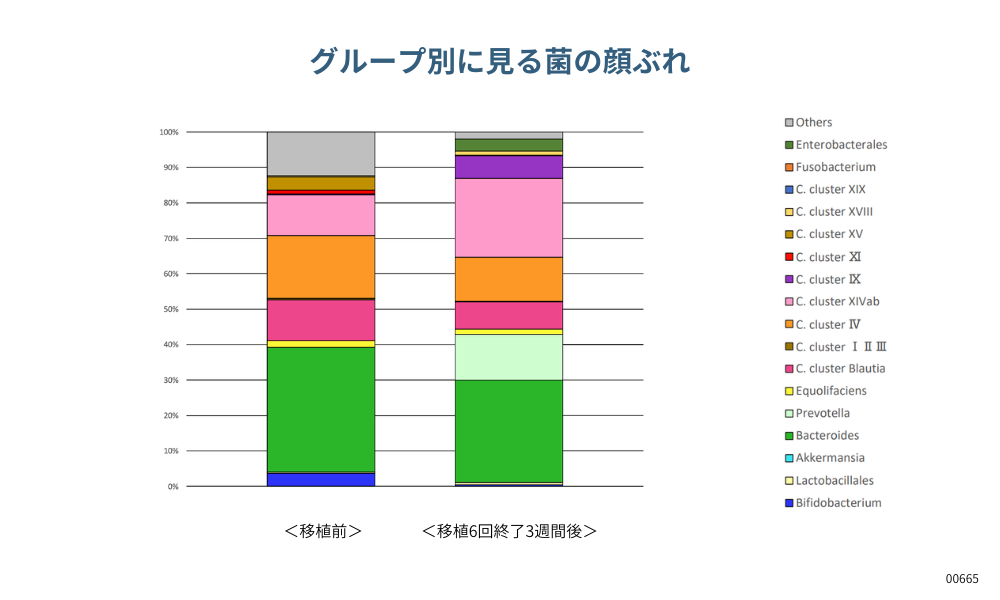
症例紹介 10代男性 アトピー・アレルギー等 基本情報 患者様:10代男性主治医:城谷バイオウェルネスクリニック(旧:ルークス芦屋クリニック)移植担当医療機関:城谷バイオウェルネスクリニック(旧:ルークス芦屋クリニック) 初診時情報 病名:アトピー、遅延型アレルギー、即時型アレルギー発症時期:2011年6月移植目的:・疾患の改善・疲れやすい・アレルギー(食品、花粉、化学物質など)・肌トラブル(アトピー含む)・体質改善主訴:とても痩せていて、食欲旺盛であるが体重が増えない。エネルギーが保たれず、時折頭痛がある。食事に気をつけ、アレルギー反応があるものは食べないようにしているのにアトピー性皮膚炎のような症状が治癒しない。既往歴:生後3ヶ月過ぎに予防接種をした後に徐々に体に発疹が出始め、ステロイドを使用するが治らず、全身に赤みや湿疹が広がる。生後6ヶ月の離乳食教室で初めて母乳以外の野菜の茹で汁を飲んだ時に酷い緑色の下痢をしたので離乳食は回数を減らし、母乳育児にする。生後6ヶ月過ぎには即時型の卵、大豆、乳製品アレルギーと診断される。授乳中、母親は卵と乳を除去する。常に便秘か下痢が多く、生後8ヶ月頃より漢方薬治療に切り替え、漢方製剤を服用。6年ほど漢方治療を続け、ある程度の改善はあったが肌荒れ、卵アレルギーは改善されなかった。2019年1月に遅延型アレルギー検査や有機酸検査で身体の状態を知る。しばらく乳酸菌、亜鉛などによる腸内環境を整えるためにサプリメントを服用したが消化が悪く不快感を訴えたので続けることができなかった。母親の重金属蓄積による体調不良が判明し、本人(患者)も計測したところかなり蓄積されていたため2019年秋より肝臓を整えるサプリメントを服用し、2020年4月デトックスをする。その後はかなり体が楽になった様子だが、1年間体重が増えない、食べてもすぐにエネルギー不足、血糖値が下がるような様子が頻繁に見られ疲労感が強くなる。経緯、家族歴、生活習慣、サプリメントの利用状況など:サプリメント等 移植情報 移植期間:2021/07/09〜2022/03/30移植回数:移植6回+追加移植4回 移植初回〜移植終了までの変化:【1回目移植時問診】(母親より)普段は毎日下痢状の便だが、この3日間はない。先々月から先月にかけては不消化の便だった。ふわっとしていて緑色〜黄色のような、普通の便の色ではなかった。口臭がある。皮膚に発疹はないが全身に痒みがある。初めてのことだから緊張してきた。表情は硬く、緊張している様子がうかがえる。今からすることの流れを説明していくと納得される。医師の触診時、肛門の刺激の痛み訴えあり。下腿に掻痒による発赤2箇所あり。初めての移植のため緊張していたと思われる。処置の内容や流れを説明していくうちに納得していただくことができ、処置はスムーズに実施できたと思われる。処置終了時には「これならどうでもないし、できる。でも今までにない感覚」と発言あり。【2回目移植時問診】(母親より)前回移植後、全身の痒みが強くなった。発熱はないが、体が熱く火照っているようでイライラしていた。水素水を飲むと変なゲップが出る。移植日と翌日は普通便が出たが、その後は不消化の便で水様便になり、肌の状態もよくない。プロテクト電解水のスプレーでは沁みて痒みがでた。玄米を食べるとそのまま便が出る。(患者さんより)思ったよりしんどかった。1週間ずっと学校を休んでいる。今も背中や腕の全身が痒い。全身皮膚の発疹認めず。皮膚乾燥傾向。腹壁はり認めず。本日排便なし。腹鳴亢進なし。移植の影響なのかはわからないが、前回移植後からの1週間の体調は悪化しているようである。【3回目移植時問診】(母親より)痒みに関しては水素水を全身に塗っている。皮膚の落屑が多いのでオイルを塗って保湿している。(患者さんより)移植1回目より2回目の方がきつかった。背中、脇、足の痒みが強かった。便は良い感じになってきてる。オイルを塗ってるが効いてない。体の火照りは2日前から落ち着いてきている。皮膚の乾燥は認めるが、発疹はみられず。臥床している間も軽く掻いている。母親によるセルフケアは継続中。【4回目移植時問診】(患者さんより)全身に痒みがある。痒みがあると勉強に集中できないから、長期休みの学校の宿題が残っている。睡眠時間は10時間くらい(1:00〜10:00もしくは0:00〜10:00)。痒みに対しては水素水のスプレーと母親の保湿剤を使用。体の火照った感じは無くなった。表情は変わらず、笑顔はない。目視では皮膚の発疹は認めないが、会話中は頭部、耳、上肢など掻く動作を認める。【5回目移植時問診】(患者さんより)前回移植後は便は出なかった。その後少し便秘になったけど、この3日間は良い便が毎日出ている。2日前くらいから痒みが改善してきた。体には母親のクリームを塗っている。3日前にお肉を食べたら少し火照った感じがあった。昼12時くらいに食べて夕方16〜18時くらいまで続いた。寝る時間も少し早くなって0時には寝ている。学校の宿題は終わったけれど、塾の宿題が残っている。表情は変わらず、声も小さい。腹部の張り、認めず。皮膚の発赤、認めず。上肢の皮膚は少ししっとりしている。下肢は乾燥傾向。半袖、半パンの日焼け痕を認める。夢は見ていない様子。前回と比較すると皮膚の乾燥は軽減しているように思われる。【6回目移植時問診】(患者さんより)痒みは良くなっている。前回移植後3日間は便がたくさん出た。その後今日まで4日間は便秘。食べたものはおにぎりとおじや。豚肉を少し食べたけれど痒みはなかった。鶏肉を食べたら痒みが出た。痒みがあるから、運動はできていない。夢は見てない。小麦を食べたい。友達と遊びたい。会話中、笑顔が時々見られるようになった。腹部の膨満は認めず。腹鳴弱い。表情が出てきているのは、痒みが軽減しているためか。本日で予定していた移植終了。【7回目移植時問診】(患者さんより)体の痒みあり。以前は足が痒かったが、今日は額と鼻が痒い。外出時、服で体が擦れて痒い。豚肉以外は全て痒くなる。ゲームをしてる時は楽しいから痒くない。夢は時々見るが忘れた。うっすら起きている様な感じ。朝食は豚肉のハンバーグとサツマイモ2/3本でお腹いっぱい。もう少し食べれるようになりたい。昨日、お米を食べたら腸が張ってる感じがした。 下肢に薄い擦過傷あり。皮膚が白く乾燥している。慣れた様子で移植問題なく終了する。【8回目移植時問診】(患者さんより) 下肢の痒みは強い。保湿は合わない。食事は豚肉とご飯のみ。皮膚はカサカサと粉をふいている。擦過傷が多い。常にかいている。乾燥による痒み。【9回目移植時問診】(患者さんより)今年は花粉症で目の痒みと鼻水、くしゃみが凄い。下肢と背中、痒みあり。前回移植後は元気だったが、今は元に戻った感じ。お腹がだるい。動きたくない。ゲームの時は痒くない。皮膚は乾燥傾向。ゲームの話は笑顔あり。前回移植後3週間くらいまでは元気だった。以後調子が悪くなったきっかけは食事だと思っている様子。【10回目移植時問診】(患者さんより)痒みは落ち着いてきているけど、足は乾燥していて痒くなる時もある。野菜が少し食べれるようになってきてる。白菜・水菜・キャベツ・小松菜と豚肉(40g /回)の煮野菜をリゾットにして3食食べている。あとはおにぎりにして食べている。最近1週間は少し食べる量が減った。小学校の最後3日間は学校に行った。友達と遊んで走りすぎて息苦しくなった。翌日、呼吸が浅くなった。背中の皮膚もざらざらしてた。家ではベランダで日光浴をゲームしながらしている。 皮膚発赤なし。下肢の皮膚乾燥している。電子書籍を読んでいる。 腸内フローラバランス 比較データ 評価・考察 移植評価:症状の軽度改善有害事象の有無:あり(軽度)湿疹・肌荒れ移植直後の痒み移植との因果関係がある可能性あり 移植評価:アトピー性皮膚炎、慢性湿疹に対して6回移植施行。移植後3カ月では皮膚症状に大きな変化はなし。メンタルはやや安定か。 以上
November 02, 2024
12-year-old girl with autism spectrum disorder -Fecal microbiota transplant case report
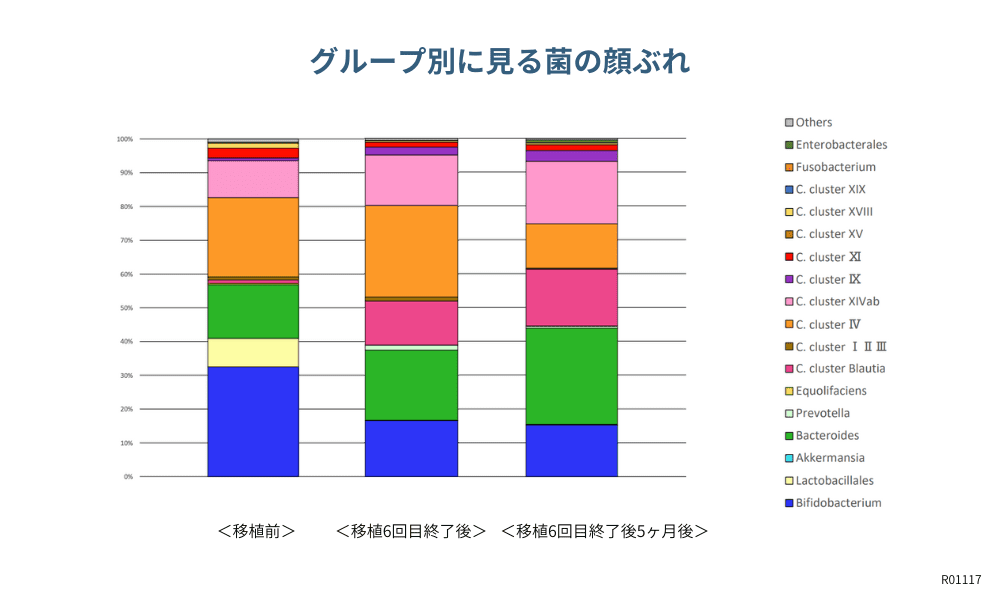
Case presentation 12-year-old girl with autistic spectrum disorder summary A case of transplantation for autistic spectrum disorder. Improvement in bowel movements, sleep quality, and tantrums were observed, but not much change was seen in the hyperactivity aspect or impulsivity. Basic Information Patients :12-year-old girlAttending physician :Luke’s Ashiya ClinicMedical institution in charge of transplantation :Luke’s Ashiya […]