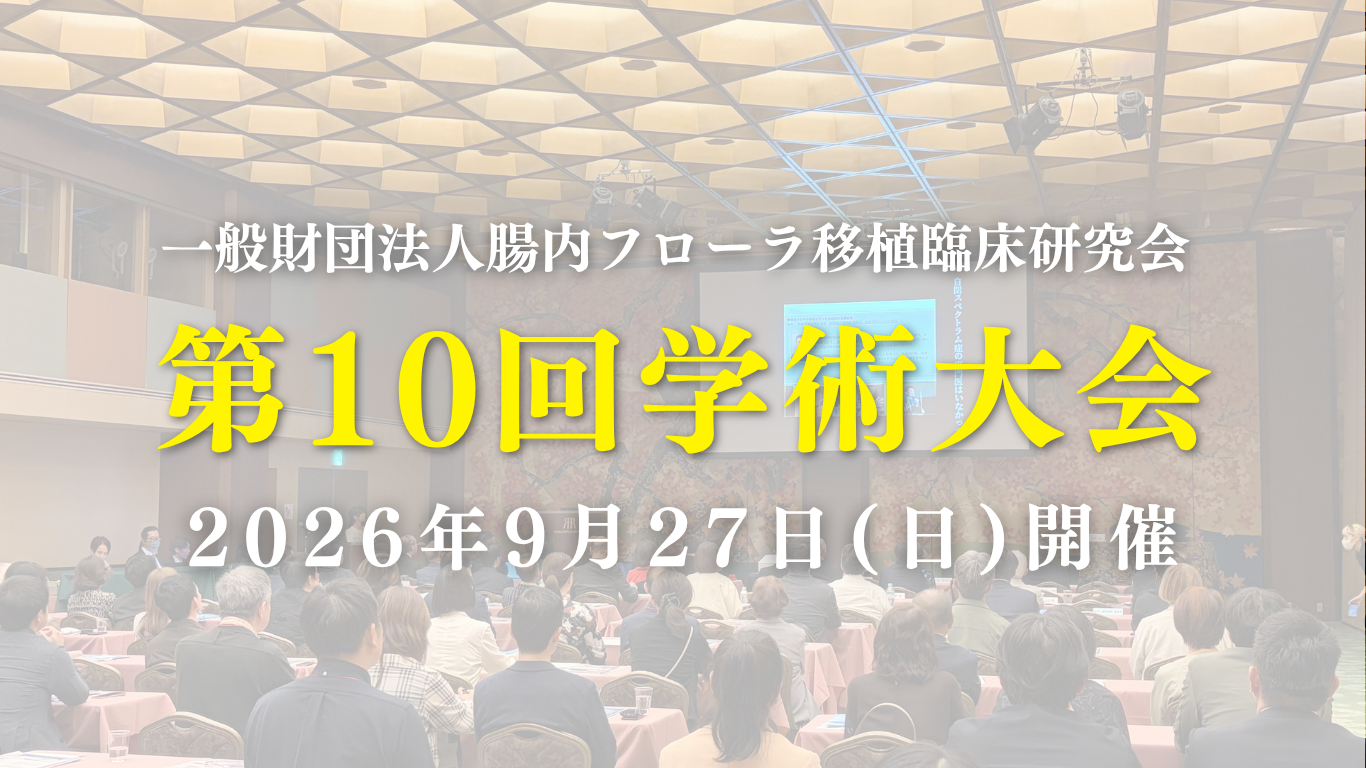
10th Scientific Conference of the Association for Clinical Research of Fecal Microbiota Transplantation Japan [Event Report]
The Association for Clinical Research of Fecal Microbiota Transplantation Japan (General Incorporated Foundation) held its 10th Scientific Conference on Sunday, 27 September 2026.
At this milestone 10th conference, we presented the latest findings and clinical data on “NanoGAS®-FMT” across a wide range of clinical fields, including cancer, gastroenterology, neurodevelopmental disorders and endoscopic examinations, for those with a strong interest in the latest medical developments and next-generation treatment approaches.
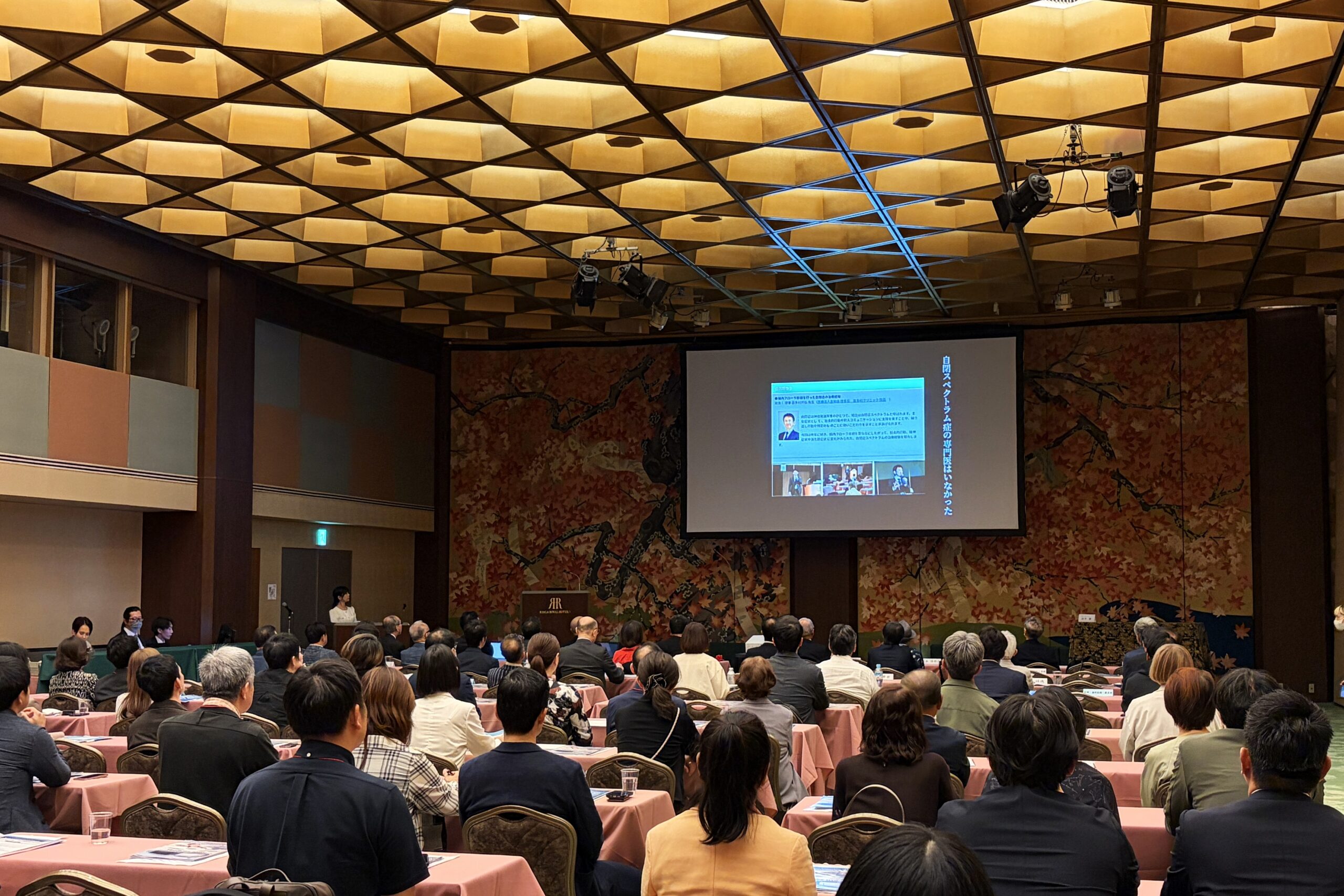
Held in a hybrid format with both in-person and online participation, the conference welcomed a wide range of attendees, including healthcare professionals, representatives from companies and research institutions, patients and their families, and members of the public.
We extend our heartfelt thanks to everyone whose support helped make the conference a success.
We are now accepting registrations for on-demand access to recordings of all conference sessions. We also encourage those who were unable to attend on the day to take this opportunity to register and watch the recordings.
The Association for Clinical Research of Fecal Microbiota Transplantation Japan (General Incorporated Foundation)
10th Scientific Conference
■ Schedule
9:00 Doors Open
10:00 onwards Opening and Morning Session
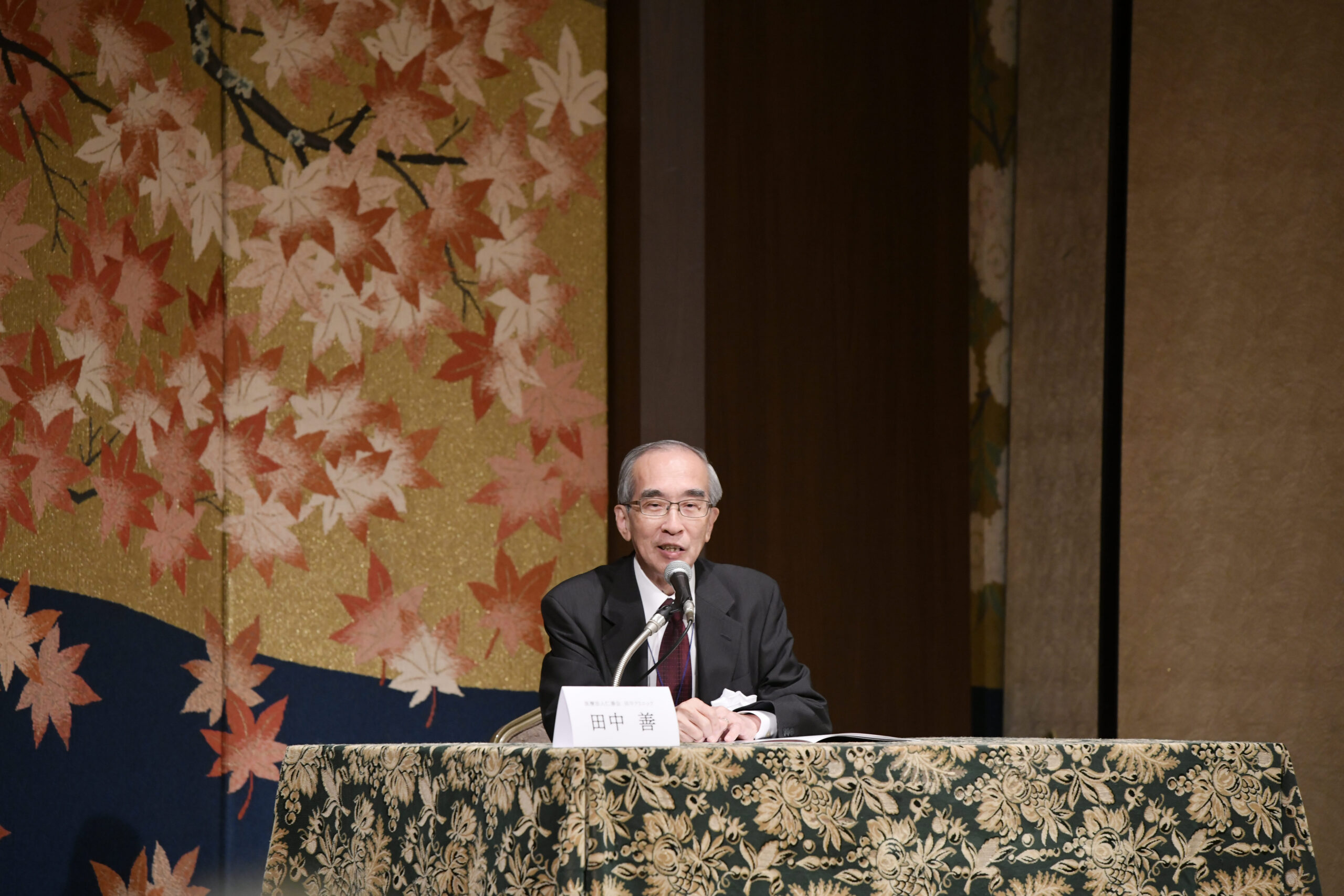
 Representative Director: Yoshimu Tanaka (Chairman, Jinzenkai Medical Corporation; Director, Tanaka Clinic)
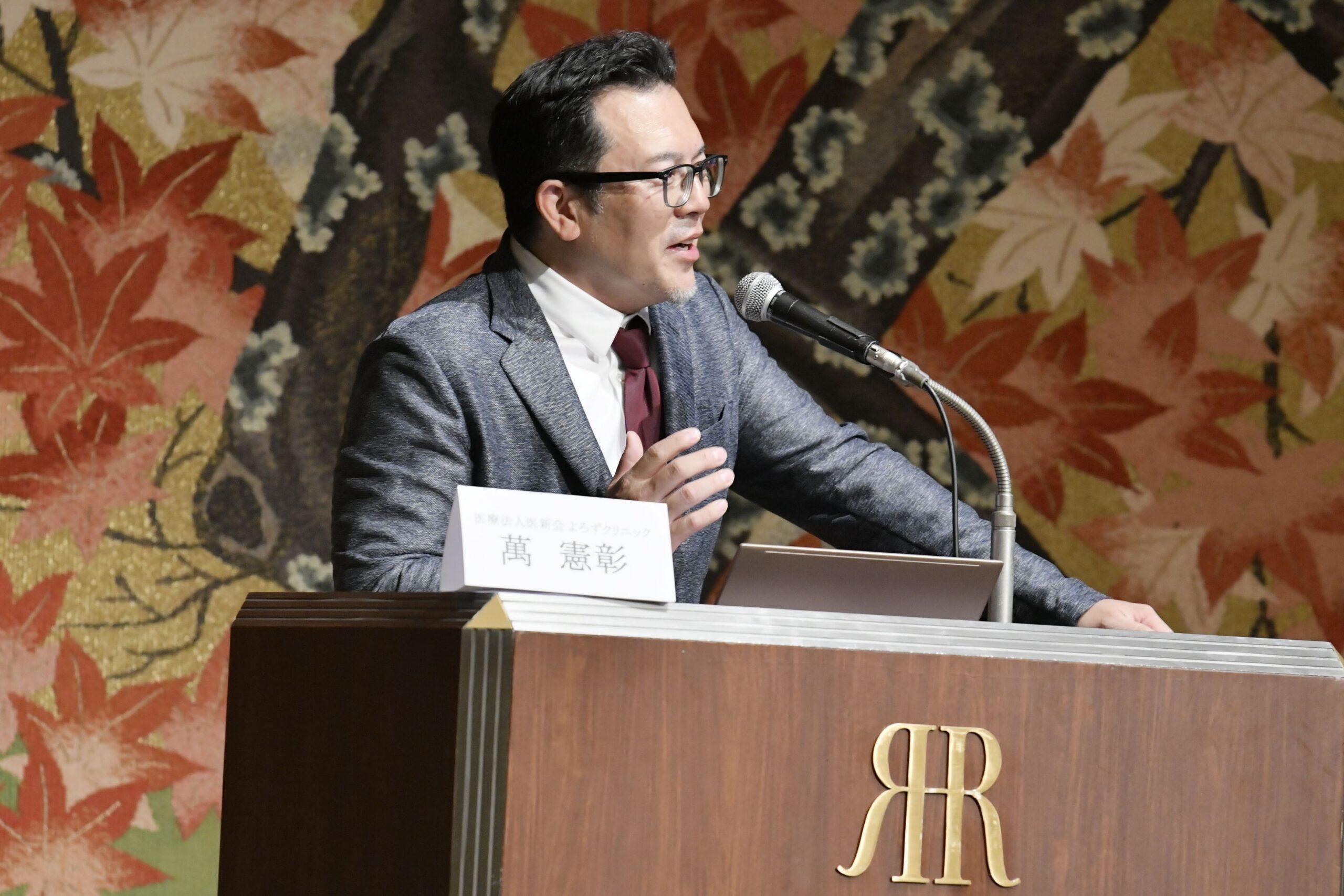
Speaker: Director Kensho Yorozu (Chairman, Ishinkai Medical Corporation; Director, Yorozu Clinic)
Chair: Representative Director Yoshimu Tanaka (Chairman, Jinzenkai Medical Corporation; Director, Tanaka Clinic)
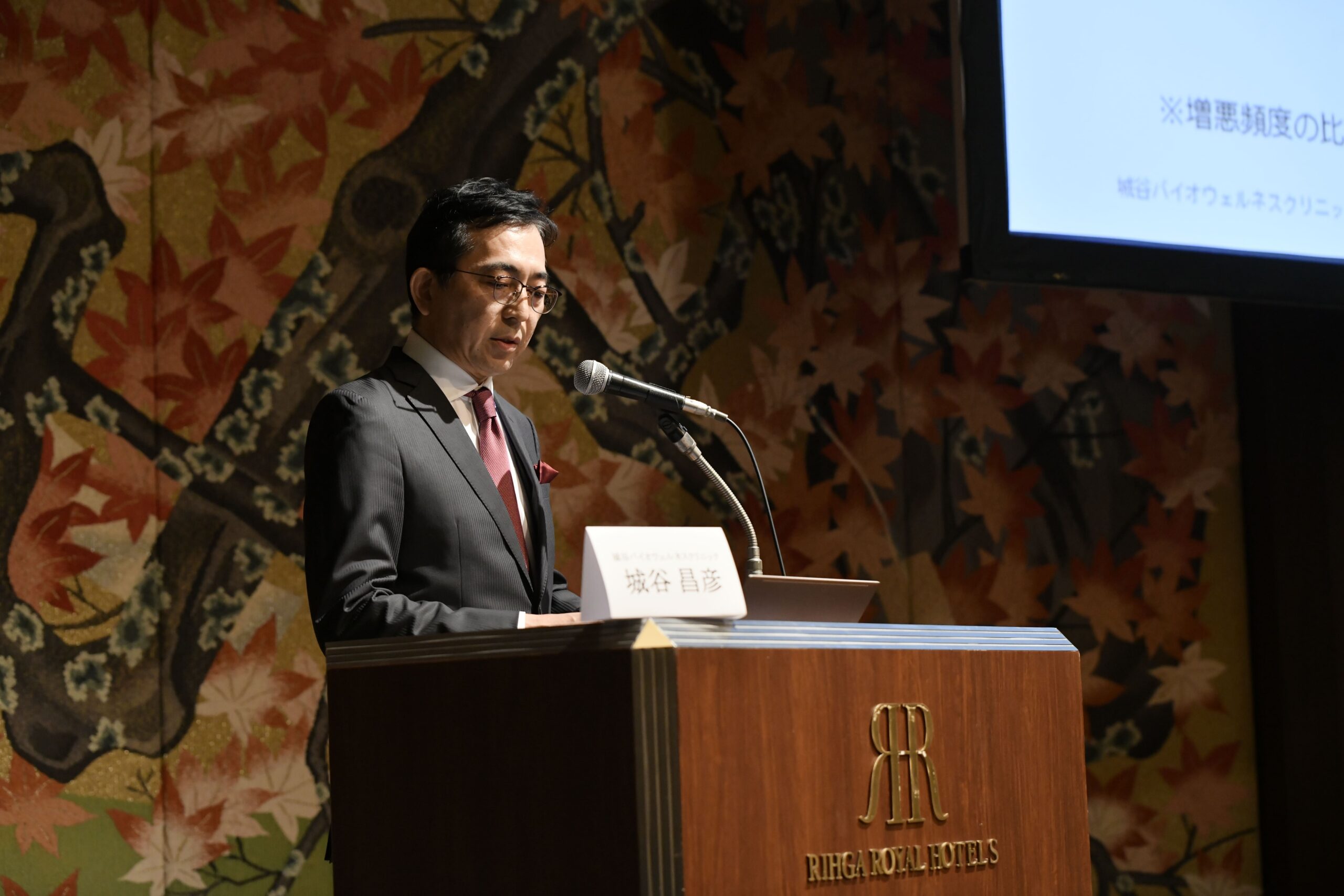
Speaker: Masahiko Shirotani (Director, Shirotani BioWellness Clinic)
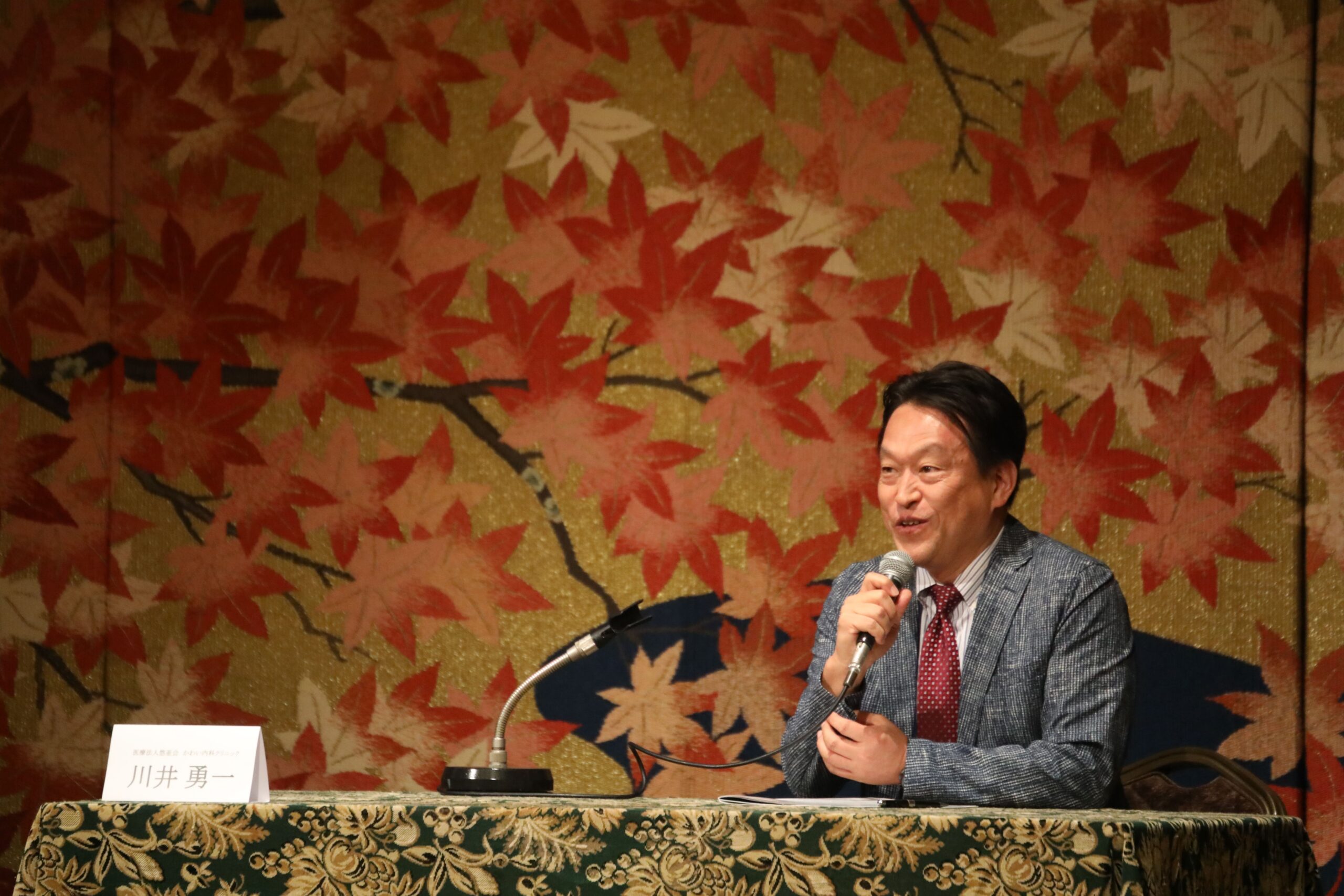
Chair: Director Yuichi Kawai (Chairman, Yuakai Medical Corporation; Director, Kawai Internal Medical Clinic)
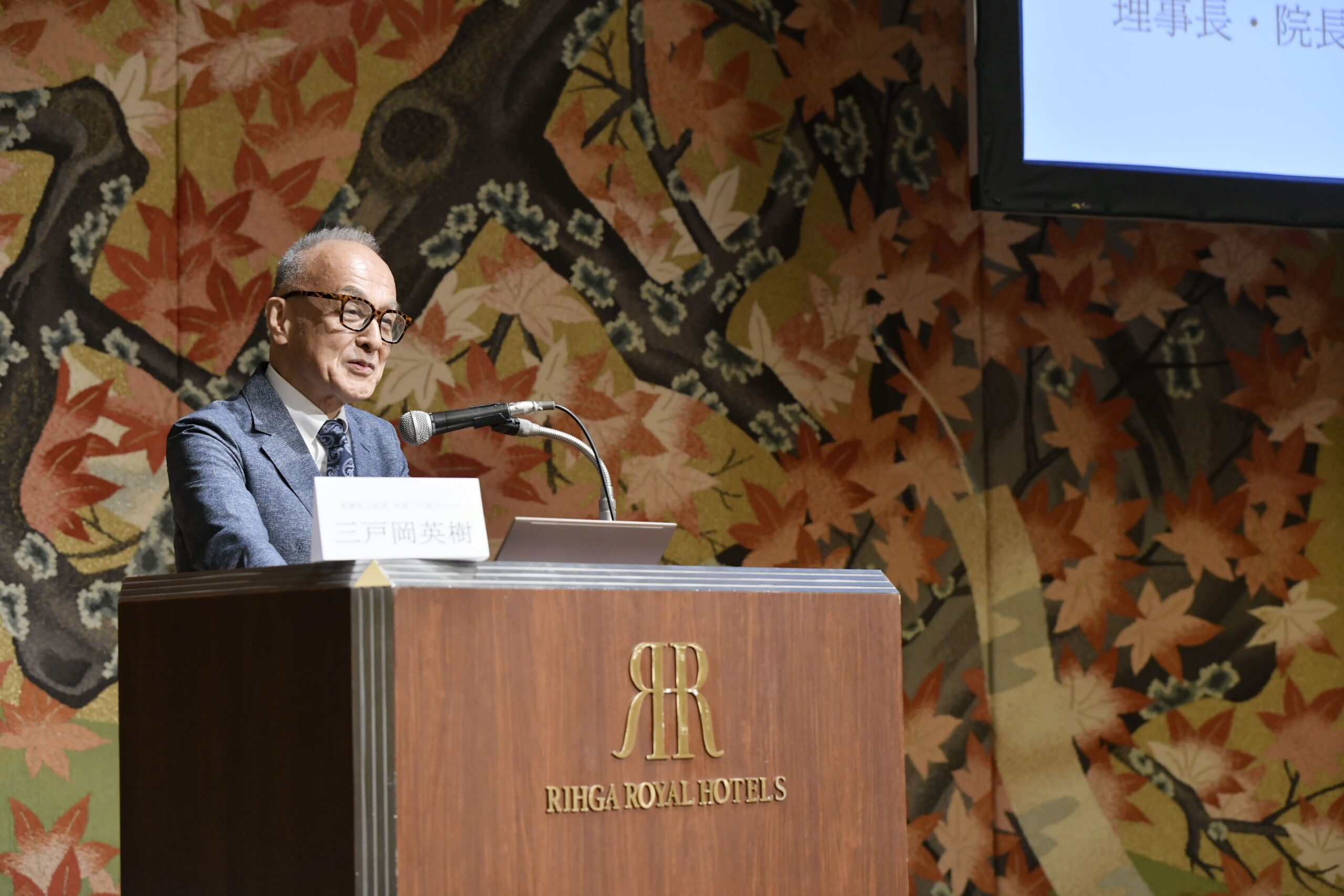
Speaker: Hideki Mitooka (Chairman, Ashiya Mitooka Clinic Medical Corporation; Director, Ashiya Mitooka Clinic)
Chair: Masahiko Shirotani (Director, Shirotani BioWellness Clinic)
12:25 onwards Lunch Break (Boxed Lunch Provided)
13:30 onwards Afternoon Session
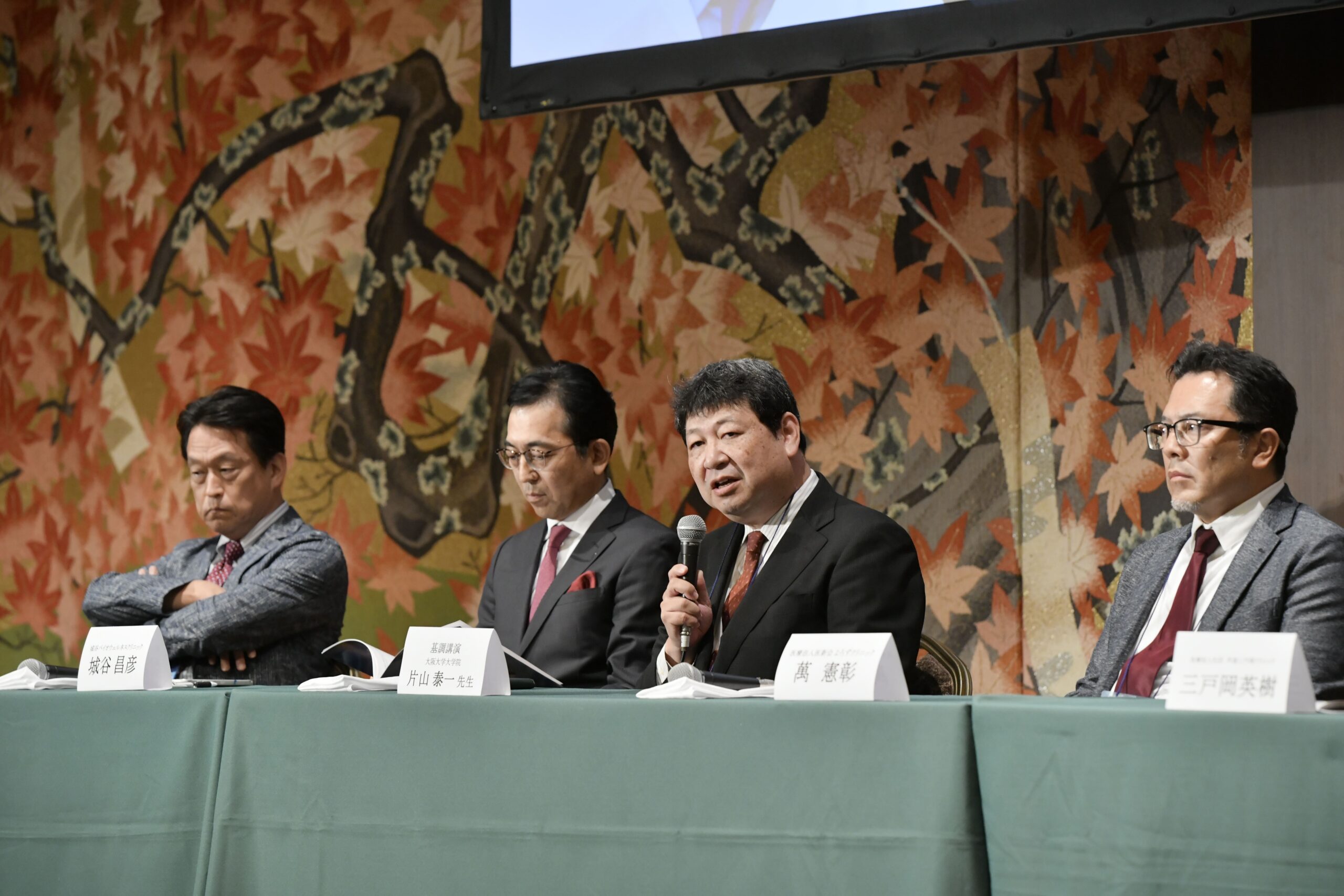
Speaker: Taiichi Katayama (Dean, United Graduate School of Child Development, Osaka University; Professor, Department of Molecular Biology and Genetics; Director, Research Center for Child Mental Development)
Chair: Yoshimu Tanaka (Chairman, Jinzenkai Medical Corporation; Director, Tanaka Clinic)
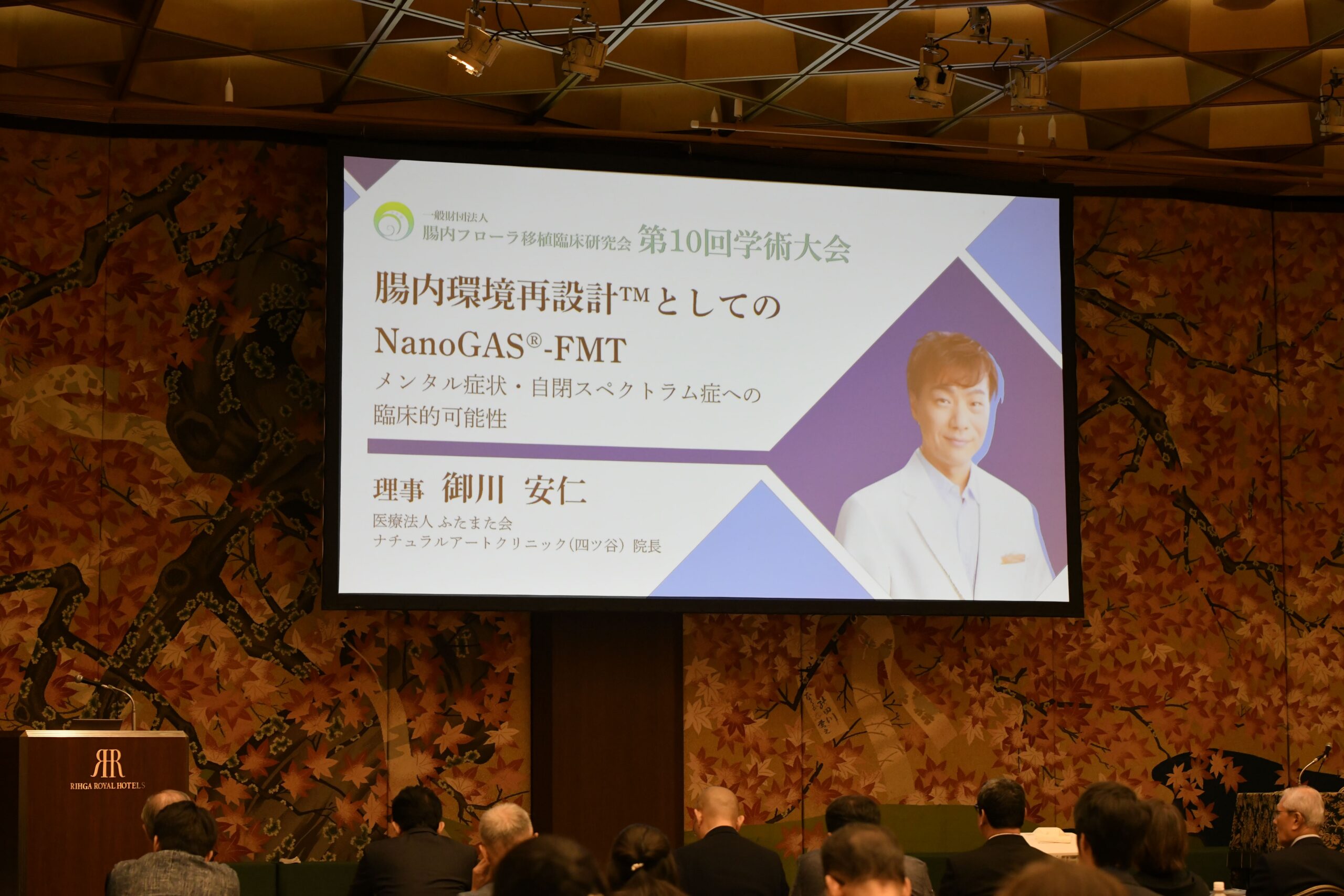
Speaker: Yasuhito Mikawa (Director, Natural Art Clinic (Yotsuya), Futamatakai Medical Corporation)
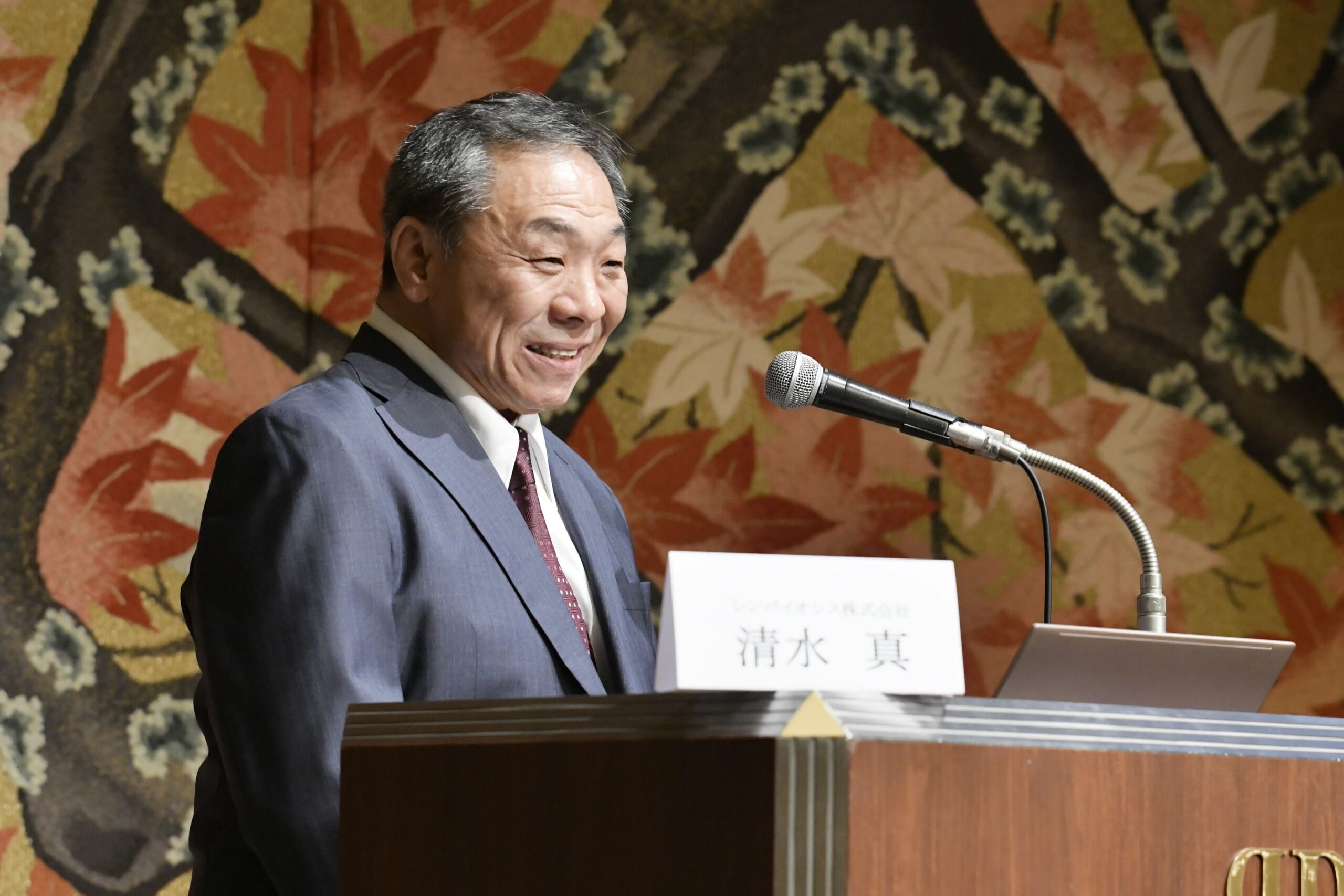
Speaker: Shin Shimizu (Senior Researcher, Shinbiosis Corporation)
Chair: Director Kensho Yorozu (Chairman, Ishinkai Medical Corporation; Director, Yorozu Clinic)
15:45 onwards Break
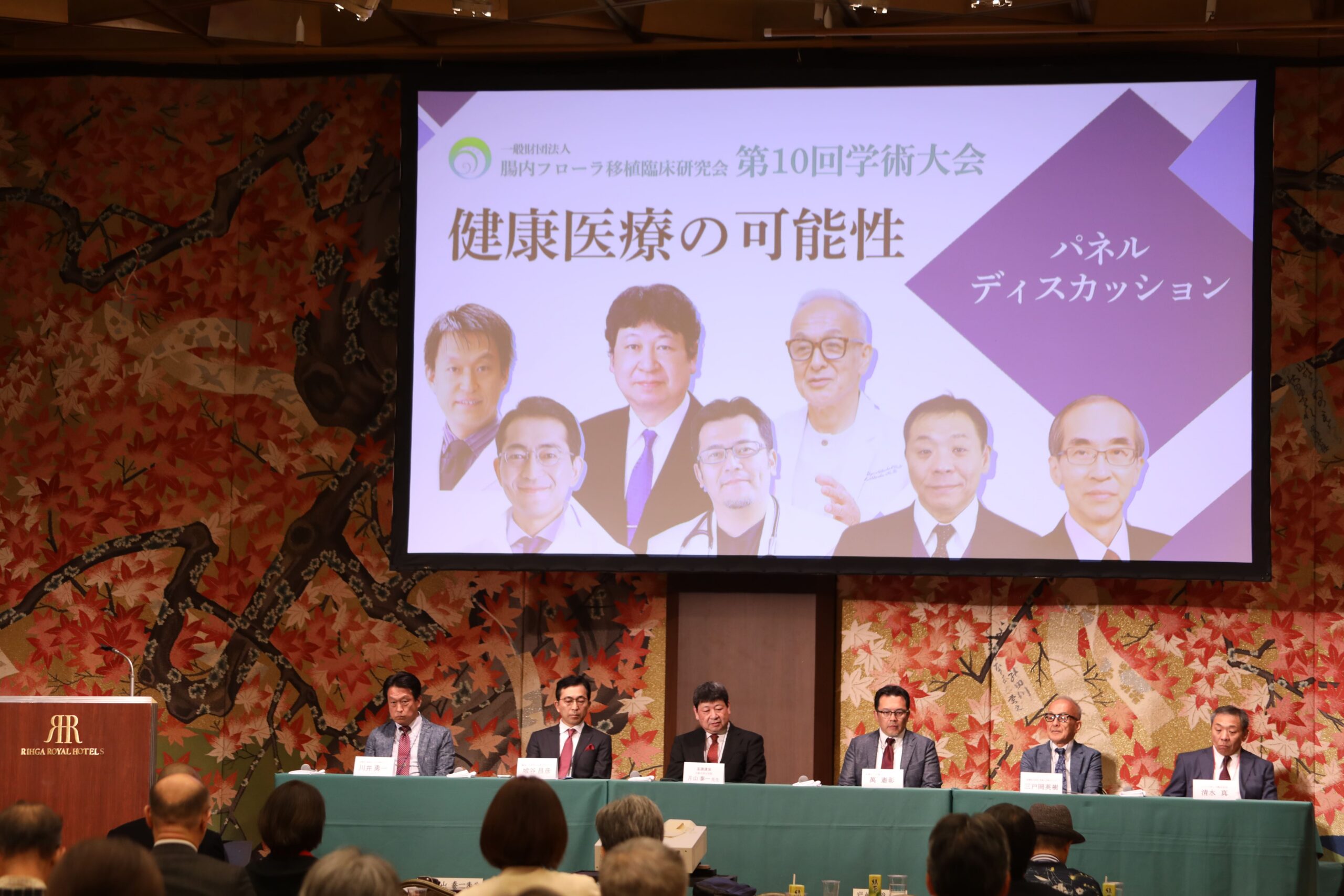
16:00 onwards Panel Discussion
Executive Director: Masahiko Shirotani (Director, Shirotani BioWellness Clinic)
17:30 onwards Networking Reception
<Presentation Details>
Morning Session
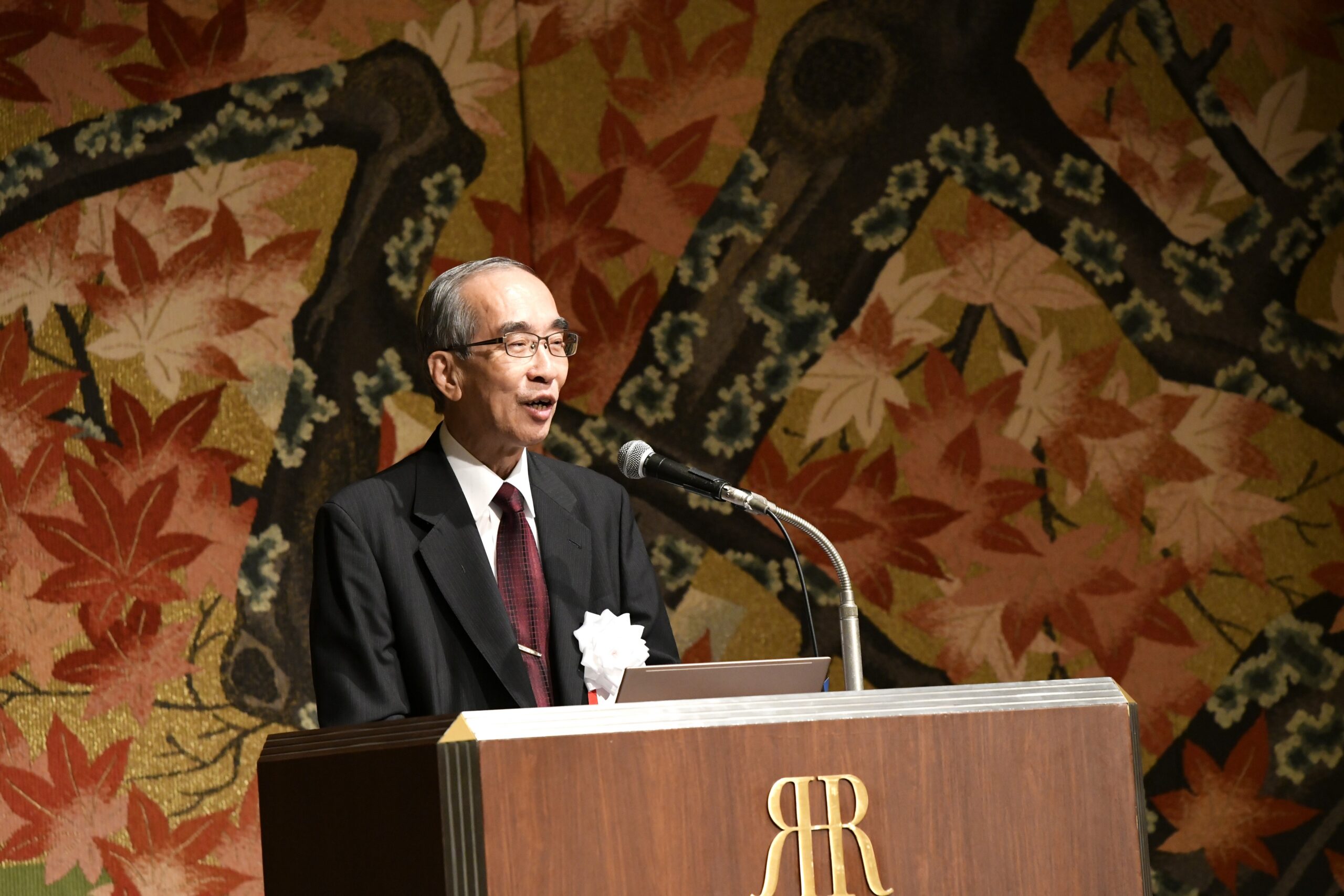
■ Opening Address
(Representative Director, The Association for Clinical Research of Fecal Microbiota Transplantation Japan (General Incorporated Association))
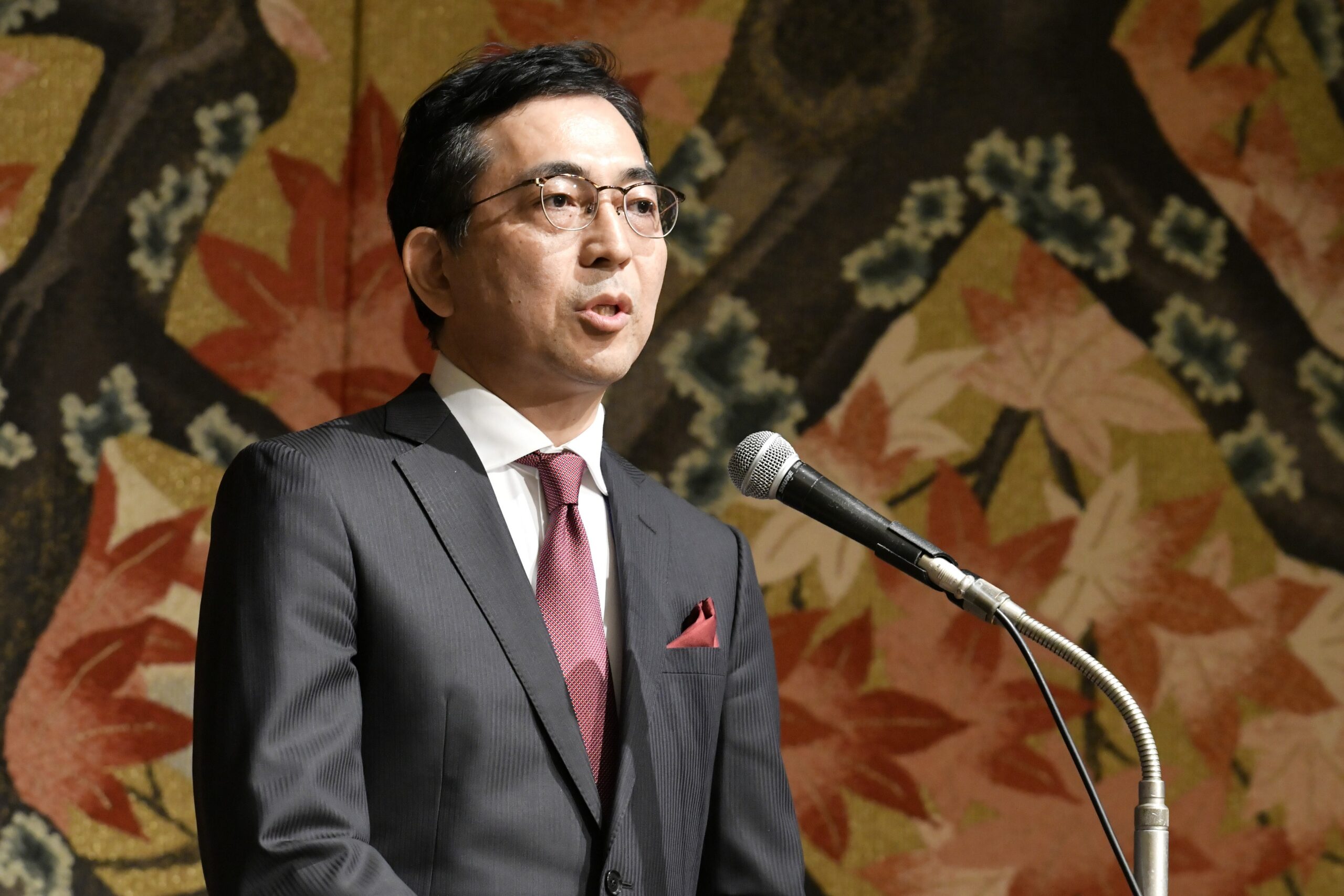
Marking its 10th edition, nine years after the association’s establishment, this scientific conference represented an important milestone. In his opening address, Representative Director Dr. Yoshimu Tanaka reflected with deep emotion on the journey of the research association, which was founded by clinicians and other medical professionals.
He highlighted the association’s achievements in building international scientific evidence, including the publication of a review in 『Nutrients』 and the acceptance of a research paper on FMT for children with autism spectrum disorder (ASD) in 『Frontiers in Pediatrics』, resulting from collaborative research with Professor Taiichi Katayama of Osaka University and his colleagues. The audience responded with enthusiastic applause in recognition of the association’s steady progress.
Dr. Tanaka outlined the expansion of clinical applications beyond intractable diseases such as ulcerative colitis and cancer to more common conditions, including diabetes, chronic kidney disease (CKD), dementia and Parkinson’s disease. With his strong commitment to “achieving further progress over the next 10 years”, the conference opened with a sense of anticipation for new possibilities in medicine.
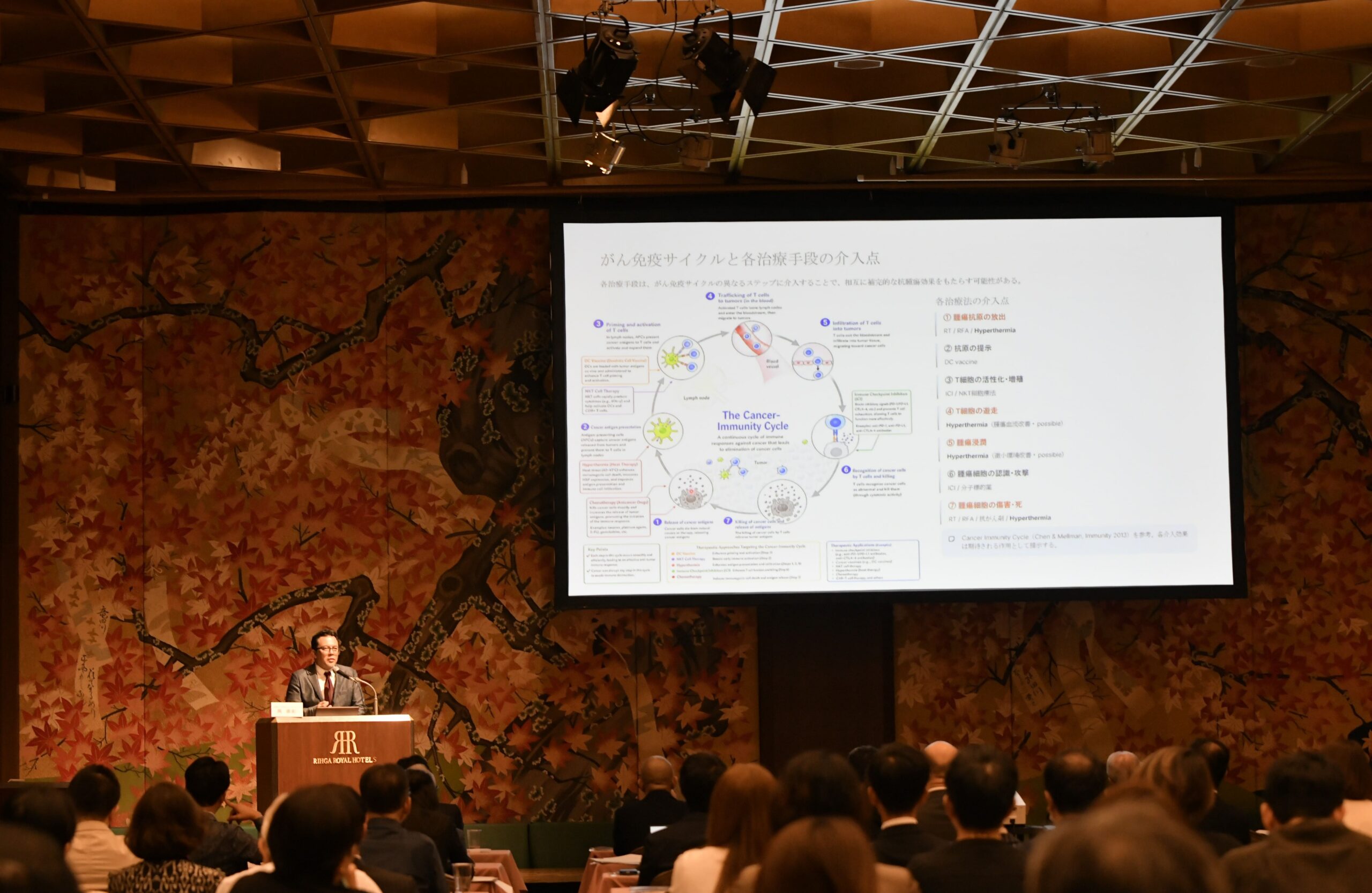
ーMaking Immunity Functional Rather Than Simply Boosting Itー
 In recent years, the gut environment has attracted attention as an important factor influencing the effectiveness of immune checkpoint inhibitors (ICIs). However, the role of gut bacteria extends beyond their effects on ICIs. The gut environment is deeply involved in antigen presentation by dendritic cells, activation of CD8-positive T cells, formation of memory T cells and even remodelling of the tumour microenvironment (TME).
Drawing on the latest research findings, this lecture will explain how the gut environment regulates antitumour immunity and contributes to the prevention of cancer recurrence and long-term remission. It will also examine integrated cancer treatment strategies aimed not simply at “boosting immunity” but at “enabling the immune system to function effectively”, while discussing their relationship with radiation therapy, hyperthermia, dendritic cell vaccines, natural killer T (NKT) cell therapy and other approaches.
He explained the immune cycle in which dendritic cells (DCs), which play a key role in preventing recurrence, train cytotoxic T cells. Remarkable treatment responses involving “Prime DC Therapy”, which sensitises DCs to antigens, were also presented, along with a detailed explanation of the role of the gut microbiota in overcoming an immunosuppressive TME.
In particular, the latest evidence concerning the synergistic effects of using faecal microbiota transplantation (FMT) to prepare the immune system’s “soil” and immune checkpoint inhibitors (ICIs) to release its “brakes” made a strong impression on the audience. The lively question-and-answer session further contributed to an engaging lecture that conveyed a strong sense of anticipation for the dawn of next-generation cancer treatment.
Director, Shirotani BioWellness Clinic
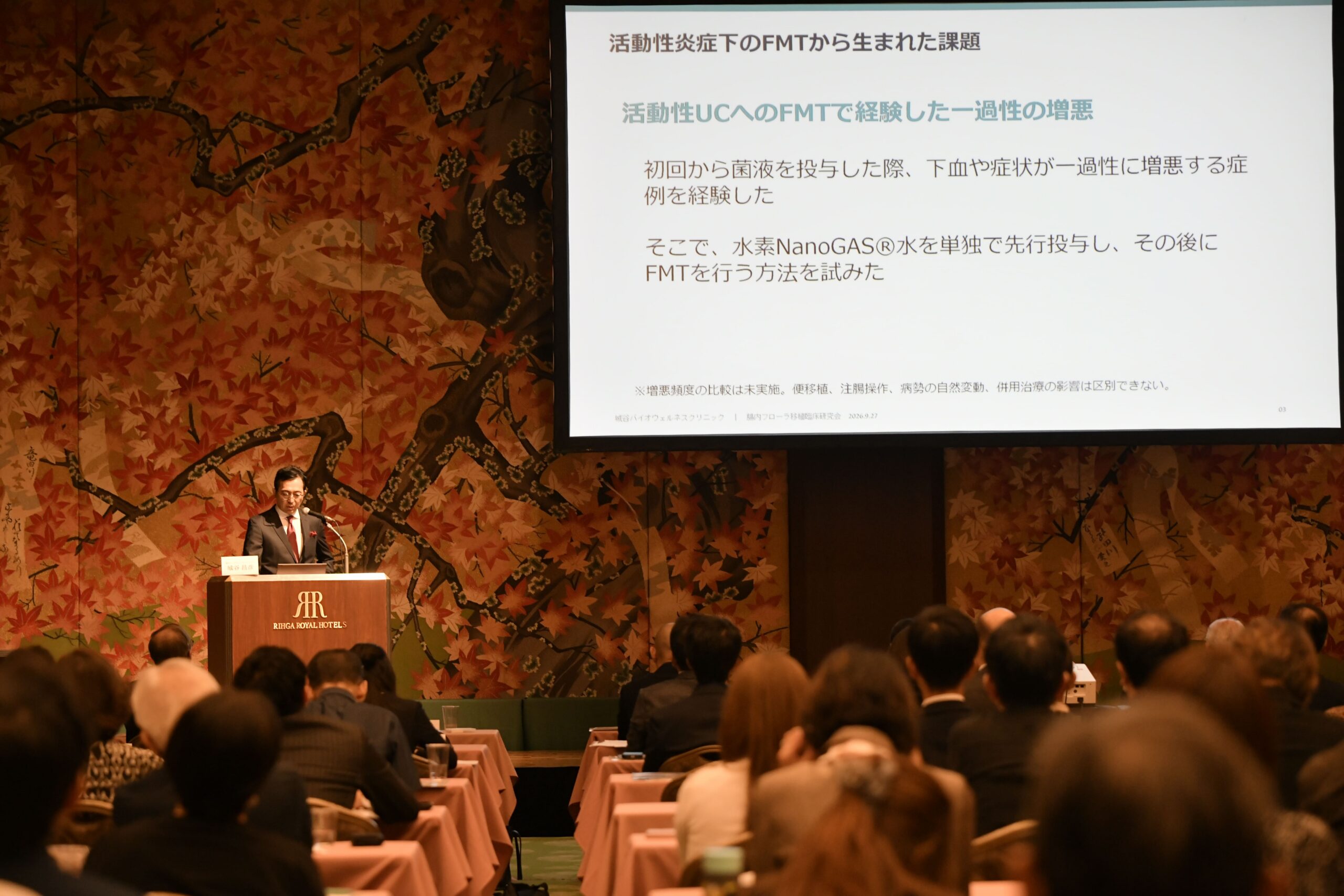
 Faecal microbiota transplantation (FMT) for ulcerative colitis (UC) has attracted increasing attention in recent years. However, the influence of the intestinal redox environment on the “engraftment and proliferation of transplanted microbiota and therapeutic outcomes” has not been sufficiently investigated. We encountered two cases of UC in which multiple enemas of hydrogen nanobubble (NanoGAS®) water administered before FMT appeared to induce a reduced intestinal environment and enhance the subsequent therapeutic effects of FMT. Both patients had previously experienced difficulties with conventional treatments, but clinical remission was achieved following FMT combined with hydrogen NanoGAS® water pretreatment. These findings suggest that the selective elimination of reactive oxygen and nitrogen species by hydrogen NanoGAS® water may have reduced intestinal oxidative stress and created a favourable reducing environment for the engraftment and proliferation of obligate anaerobic bacteria and other microorganisms. This presentation will describe in detail the clinical courses of the two cases reviewed by the Gastrointestinal Diseases Subcommittee and examine whether hydrogen NanoGAS® water pretreatment could become a new methodological approach to FMT.
Although FMT for active UC has raised concerns about the risk of worsening symptoms, he proposed a preconditioning approach in which hydrogen NanoGAS® water is administered alone as an enema before FMT to suppress excessive inflammation and create a reducing environment in the gut. He presented two cases in which this approach was associated with improved donor bacterial engraftment, dramatic symptom improvement and sustained long-term remission. He also discussed anti-αVβ6 integrin antibodies and molecular mimicry involving the microbiota, examining the possibility that FMT could reduce pathogenic antibodies.
The compelling lecture, which included Dr. Shirotani’s personal experience with UC, generated considerable enthusiasm among the audience. The question-and-answer session featured discussions from multiple perspectives, reflecting strong interest in this new treatment approach.
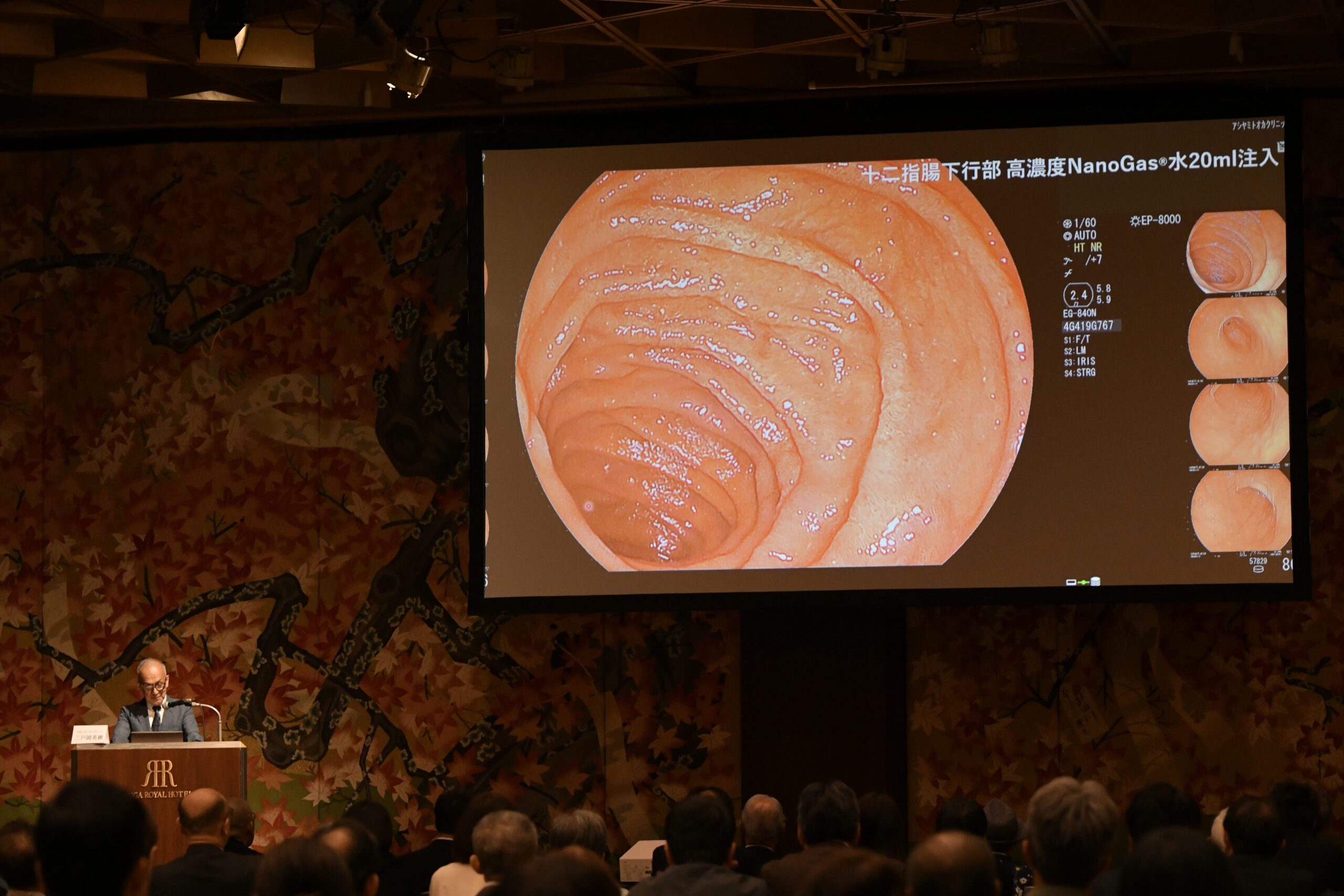
 Adequate bowel cleansing is an essential factor in colonoscopy, directly influencing lesion detection rates and examination accuracy.
However, conventional oral bowel preparation methods present significant challenges, including the burden of drinking large volumes of fluid and patient discomfort associated with frequent bowel movements. In recent years, nanobubble water has attracted attention for its potential effects on cleansing action and penetration properties, but there have been very few reports on its application to bowel preparation for colonoscopy.
In this study, we conducted an exploratory investigation into the effectiveness and patient acceptability of a low-volume bowel cleansing solution prepared using hydrogen NanoGAS® water. The results suggested that low-volume preparation using hydrogen NanoGAS® water could provide effective bowel cleansing even with a smaller volume of solution, potentially reducing the number of bowel movements and the burden on patients. These findings may provide foundational data for the standardisation of low-volume bowel preparation for colonoscopy.
With the incidence of colorectal cancer rising rapidly in Japan, one of the greatest barriers to colonoscopy, which is essential for early detection, is the need to drink a large volume (approximately 2 L) of bowel cleansing solution. Using just 900 mL of an isotonic cleansing solution, approximately half the conventional volume, the study achieved an excellent bowel cleansing rate of 95.5%, assessed using the Boston Bowel Preparation Scale (BBPS). Particularly high cleansing effectiveness was observed in patients who had previously struggled to drink the required solution, demonstrating the clinical potential to dramatically reduce the physical and psychological burden of the examination. In addition, real-time footage showing a remarkable increase in intestinal peristalsis following the application of high-concentration nanogas deeply impressed the endoscopists in attendance.
The audience engaged in lively discussions about the mechanisms of bowel preparation and prospects for a double-blind randomised controlled trial (RCT). Rich in scientific evidence, the lecture raised expectations for innovation in colonoscopy preparation.
Introduction of Supporting Companies
Afternoon Session
―From ADHD Animal Model Research to Clinical Trials of NanoGAS®-FMT for ASD―
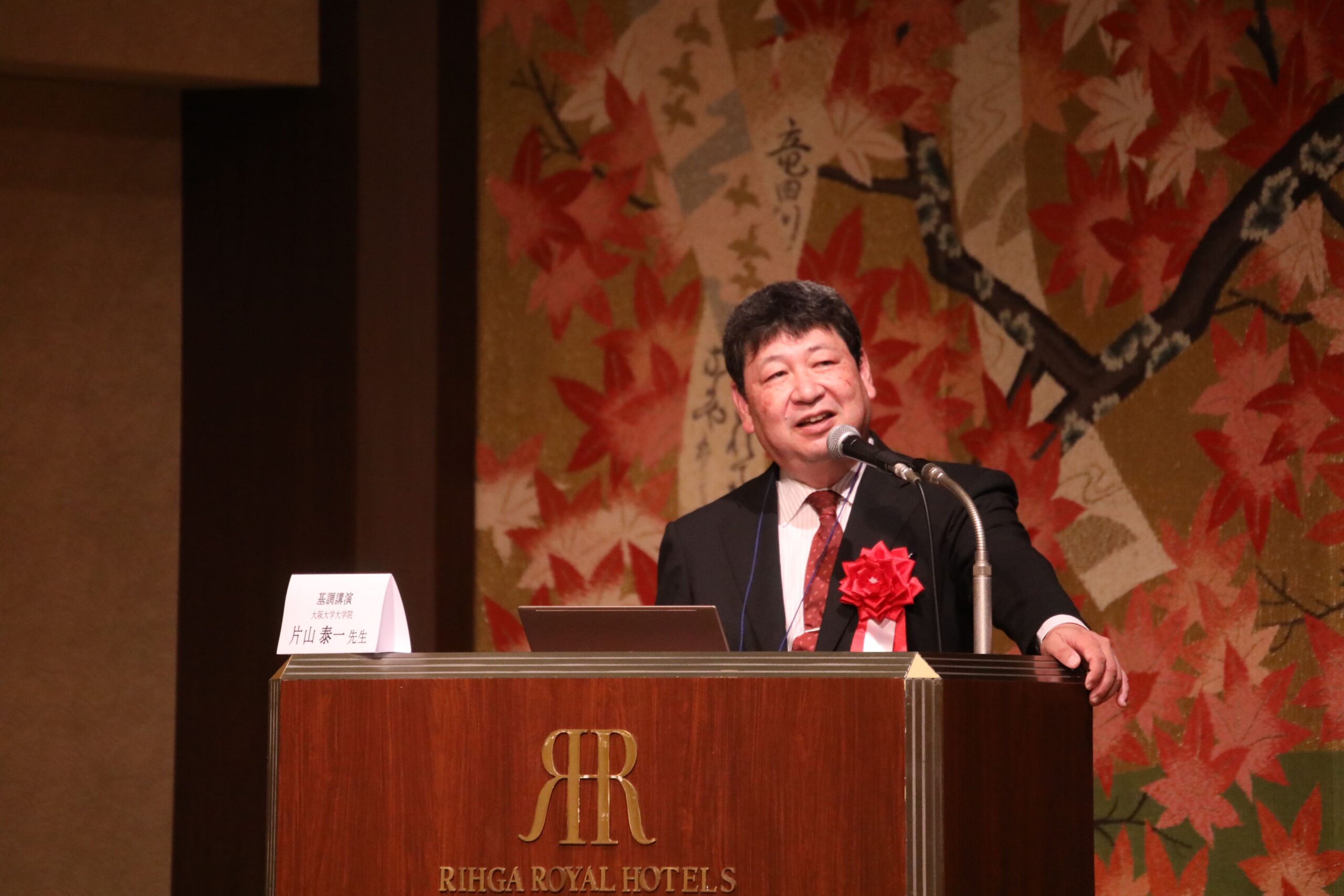
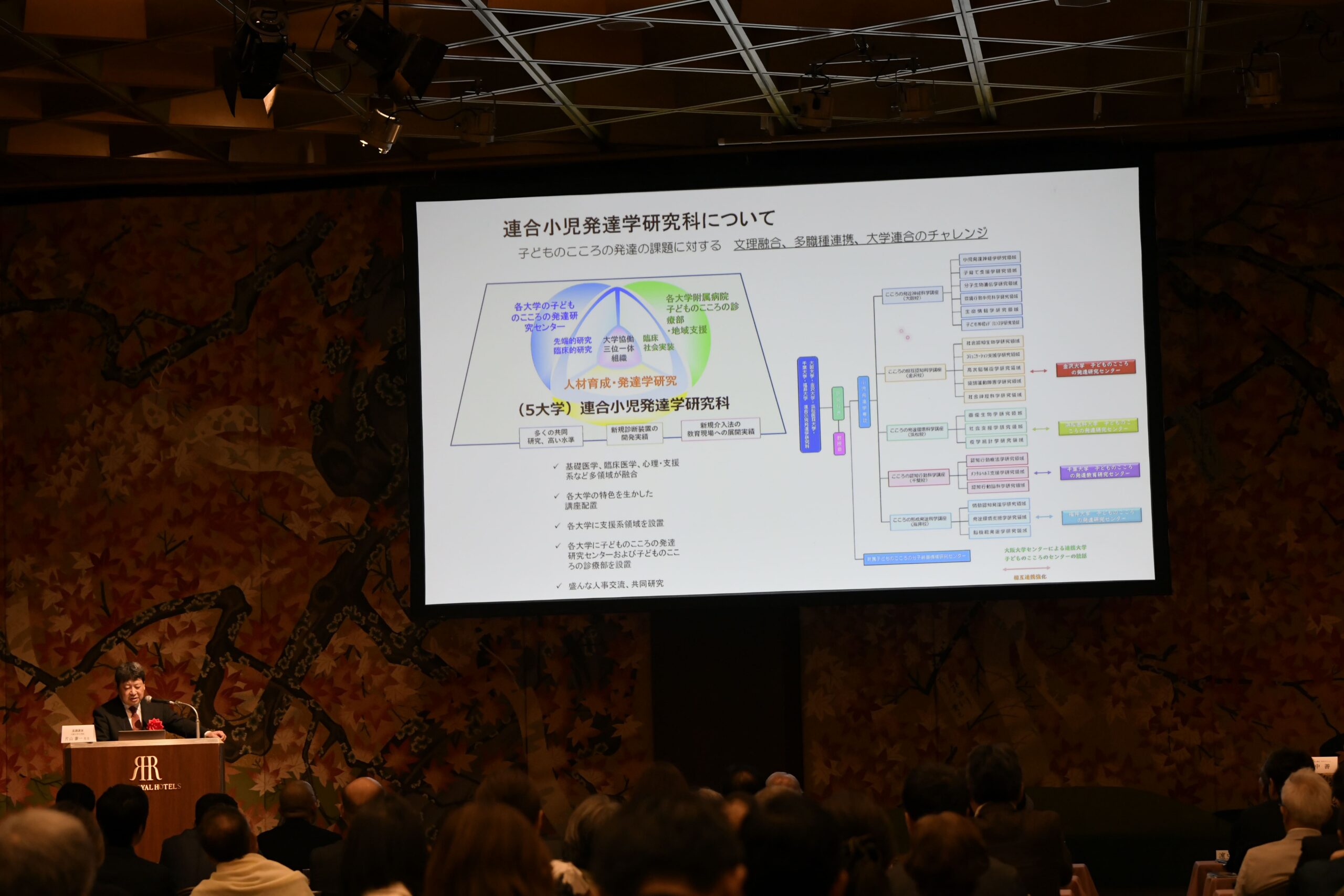
Dr. Taiichi Katayama
Dean, United Graduate School of Child Development, Osaka University; Professor, Department of Molecular Biology and Genetics
Director, Molecular Research Center for Children’s Mental Development
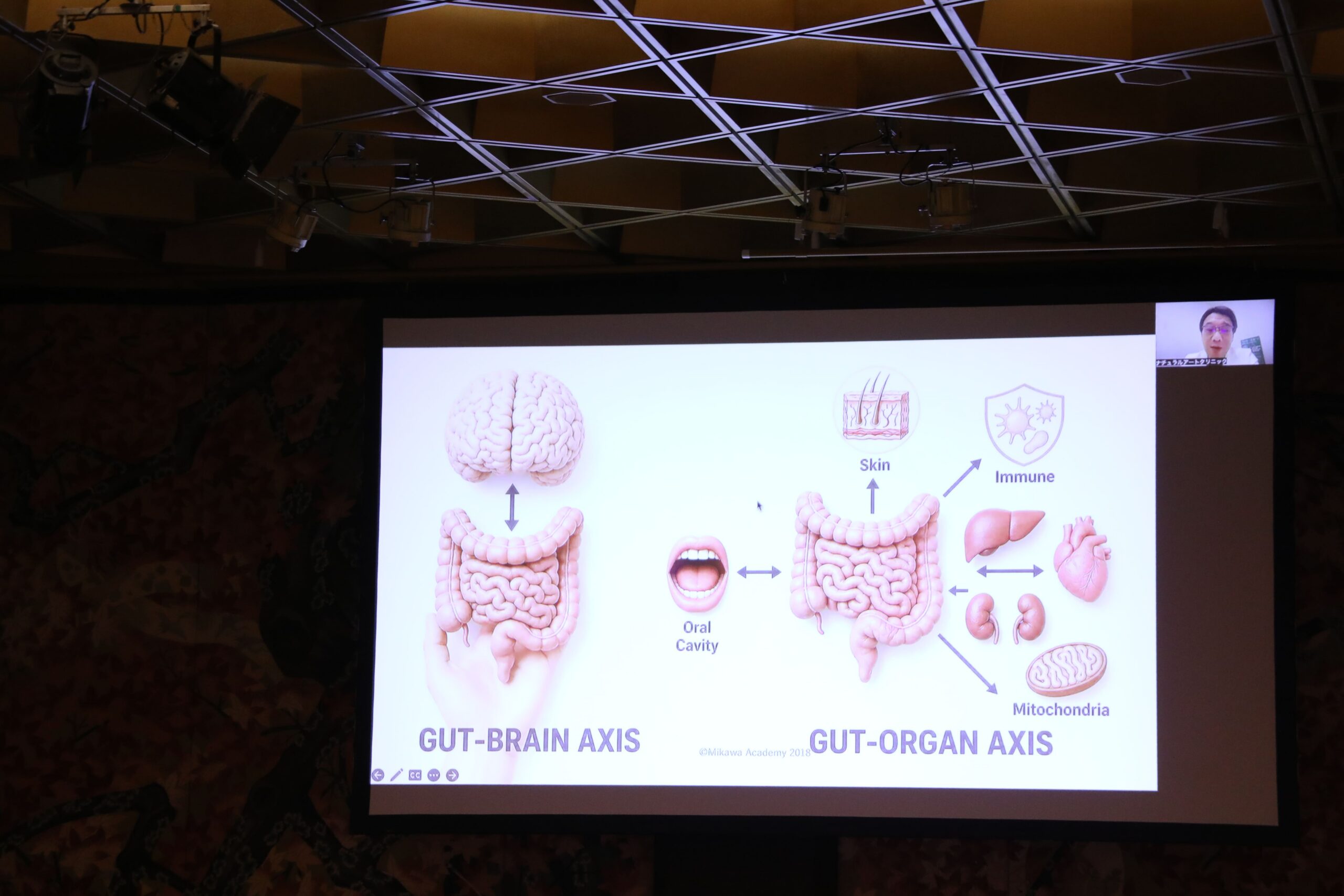
 In recent years, increasing attention has been paid to the “gut–brain axis”, which describes the relationship between the gut microbiota and brain function.
This lecture will first introduce basic research using ADHD model rats, demonstrating that changes in the gut microbiota are associated with behavioural characteristics and dopamine dynamics in the brain, and that FMT from healthy animals can improve hyperactive behaviour.
It will then discuss specified clinical research involving 30 children with ASD who received a novel NanoGAS®-FMT method that requires neither antibiotic administration nor bowel cleansing.
Focusing on findings published in 『Frontiers in Pediatrics』, the lecture will report improvements in core and associated symptoms, safety and changes in the gut microbiota. Furthermore, considering the excitation/inhibition (E/I) balance hypothesis and its relationship with neurotransmitters, it will examine the potential and future prospects of treating neurodevelopmental disorders based on the gut–brain axis.
Profile of Dr. Taiichi Katayama
He holds a Ph.D. in Medicine. After serving as an assistant professor at Osaka University and an associate professor at Hamamatsu University School of Medicine, he assumed his current position. He also serves as Director of the affiliated Molecular Research Center for Children’s Mental Development. He has published numerous research papers in leading scientific journals, including “Molecular Psychiatry”, “Molecular Autism” and “Nature Cell Biology”. In recent years, he has published research articles on specified clinical research involving intestinal microbiota transplantation (FMT) for autism spectrum disorder (ASD) in international journals such as “Frontiers in Pediatrics”, leading efforts to bring new treatment approaches into clinical practice.
In basic research, he explained the mechanisms by which FMT administered to ADHD model rats suppressed hyperactive behaviour and increased endogenous dopamine levels. He then reported the results of a clinical intervention involving 30 children with ASD using a proprietary method known as “Hydrogen Nanobubble Water-Suspended Microbiota (SHIN-1)”, which requires neither antibiotics nor bowel cleansing. The remarkable clinical data deeply impressed the physicians in attendance, showing an approximately 30% improvement in the primary outcome measure, the SRS-2 score, with most severe cases transitioning to the mild or normal range and the improvements persisting for two years without booster administrations.
Objective supporting evidence was also obtained through eye-tracking analysis using Gazefinder, and a high level of safety was demonstrated, with no adverse events observed.
These findings, published in the international journal 『Frontiers in Pediatrics』, were presented as a groundbreaking advance that could usher in a new era in the treatment of neurodevelopmental disorders.

ーClinical Potential for Mental Health Symptoms and Autism Spectrum Disorderー
 Our clinical research has demonstrated a certain degree of usefulness of NanoGAS®-FMT for autism spectrum disorder.
In this lecture, after briefly reviewing these findings, I will present the clinical courses of patients with mental health symptoms and symptoms associated with autism spectrum disorder whom we have treated at our clinic.
Through changes in anxiety, depression, irritability, sleep and sensory hypersensitivity, I will examine the clinical potential and future challenges of “Gut Environment Redesign™” based on the gut–brain axis.
In his lecture, he presented improvements in SRS-2 scores following FMT interventions in children with ASD (autism spectrum disorder), along with objective evidence of improved social functioning through eye-tracking analysis using Gazefinder. He also introduced cases showing remarkable responses in tic disorders and panic disorder, emphasising the importance of an integrated three-part approach combining the gut, brain and nutrition.
Although the presentation was delivered through a prerecorded video, the question-and-answer session conducted via telephone featured lively discussions about nutritional therapy and lifestyle habits. The audience showed great interest in this new paradigm for the treatment of psychiatric and neurological disorders.

Senior Researcher, Shinbiosis Corporation
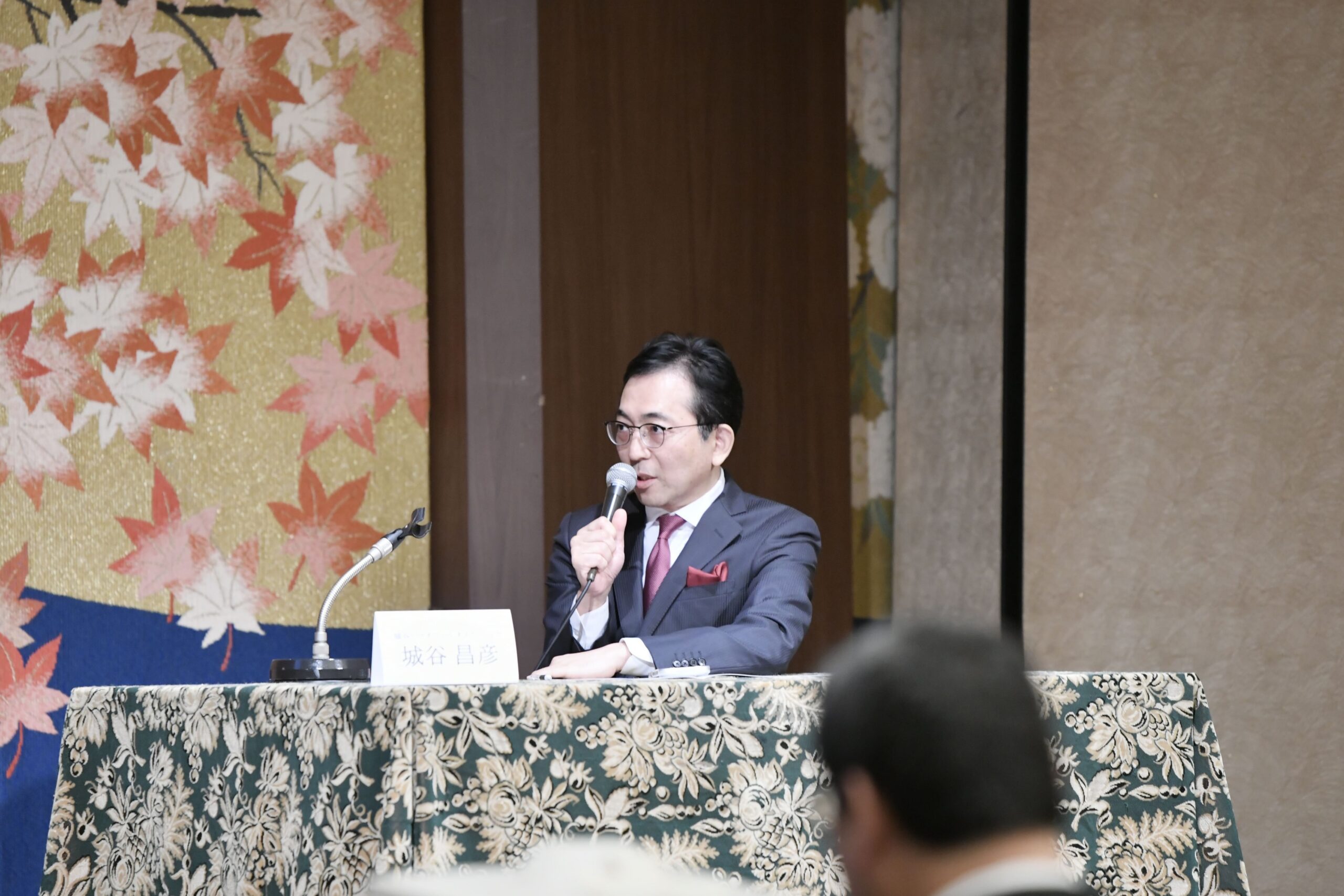
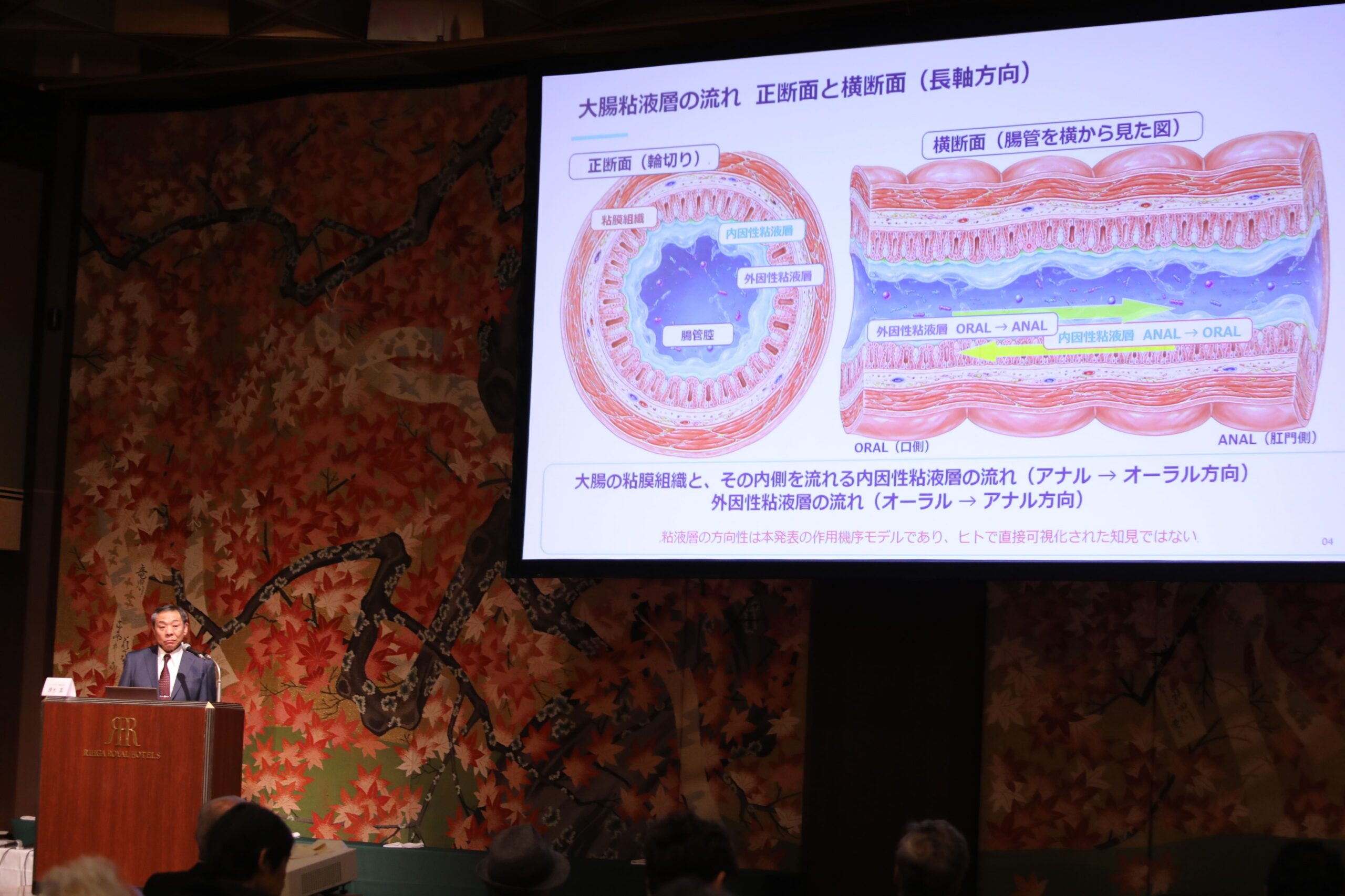
 This lecture will explain the “effects and mechanisms of bowel cleansing” demonstrated in clinical practice with the NanoGAS®-FMT method in the context of an intestinal environment affected by oxidative stress associated with modern dietary habits. While the treatment of cancer and ulcerative colitis primarily focuses on “the regulation of immunity and inflammation”, the approach to ASD (autism spectrum disorder), for which research findings have been published, differs significantly in that it directly targets brain function through the “gut–brain axis”.
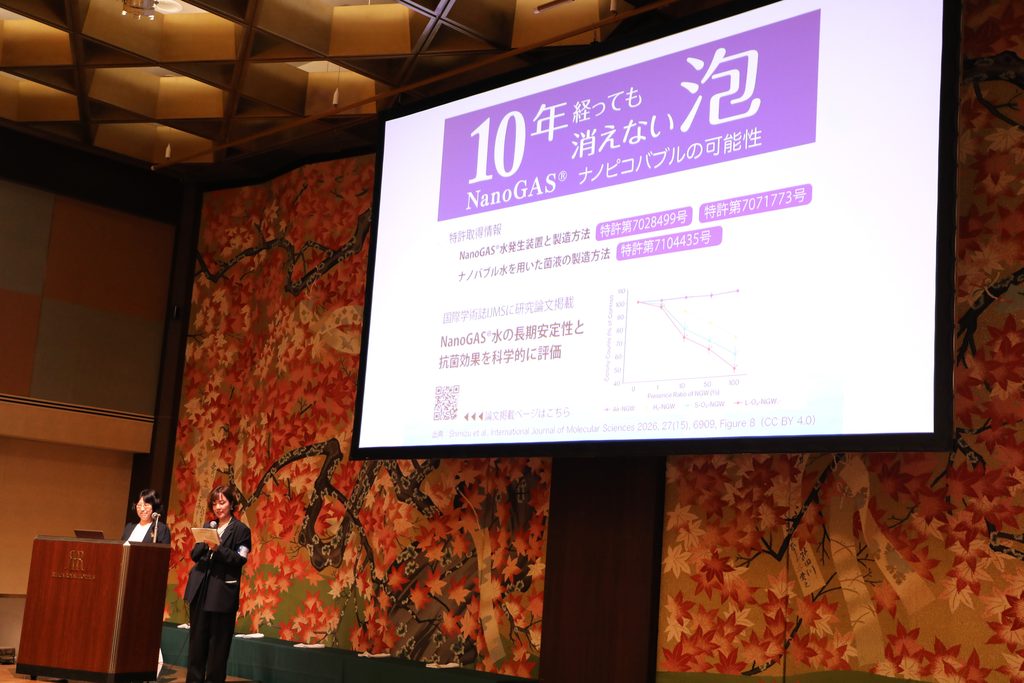
This presentation will explore the “soil preparation” process, explaining how hydrogen NanoGAS® water neutralises oxidative stress in the gut and maximises the engraftment and proliferation of donor gut bacteria in the recipient. It will also examine the mechanisms by which the volume of laxatives required for colonoscopy can be halved and the time required for bowel movements shortened, alongside examples of ultra-fine-scale investigations in industrial applications, to provide an overview of the future possibilities opened up by NanoGAS®-FMT.
Drawing on the ecology of resident bacteria within the intestinal mucus layer, he emphasised that forming a “dispersed system” through microscopic bubbles, thereby preventing bacterial aggregation and excessive communication, is an important factor in intestinal engraftment. He further presented his original hypothesis that hydrogen NanoGAS® water, with an exceptionally strong reducing potential of −660 mV, enables effective “soil preparation” and bowel cleansing through the enormous energy released upon bubble collapse (collapse heat) in the intestinal mucosa under oxidative stress.
During the question-and-answer session, lively discussions brought together clinical and basic research perspectives, covering differences in intestinal peristalsis and cleansing effects during colonoscopy, as well as comparisons of physical properties with ozone bubbles. The lecture concluded amid great enthusiasm for the new possibilities in medicine that FMT may open up.

・Taiichi Katayama(Dean, United Graduate School of Child Development, Osaka University; Professor, Department of Molecular Biology and Genetics)
・Executive Director Masahiko Shirotani(Director, Shirotani BioWellness Clinic)
・Director Kensho Yorozu(Chairman, Ishinkai Medical Corporation; Director, Yorozu Clinic)
・Director Yuichi Kawai(Chairman, Yuakai Medical Corporation; Director, Kawai Internal Medical Clinic)
・Hideki Mitooka (Chairman, Ashiya Mitooka Clinic Medical Corporation; Director, Ashiya Mitooka Clinic)
・Shin Shimizu(Senior Researcher, Shinbiosis Corporation)
Chair:Representative Director Yoshimu Tanaka(Chairman, Jinzenkai Medical Corporation; Director, Tanaka Clinic)
The discussion highlighted the need to raise accurate awareness of the minimally invasive and convenient nature of FMT, as well as the importance of educating people about lifestyle habits, moving away from an excessive emphasis on eliminating microorganisms and towards coexistence with them. Challenges were also shared, including elucidating the mechanisms underlying treatment responses through basic research and automating and standardising the bacterial suspension preparation process.
From a clinical perspective, considerable interest was expressed in the dramatic effects of pretreatment using hydrogen NanoGAS® water and the potential for predicting disease conditions, including cancer, through microbiota analysis. Participants also raised advanced questions about endogenous hydrogen-producing bacteria and colibactin. The highly engaging session reinforced confidence in the potential of FMT and NanoGAS® technology to open new possibilities for longevity medicine and preventive healthcare.

■ Future Initiatives
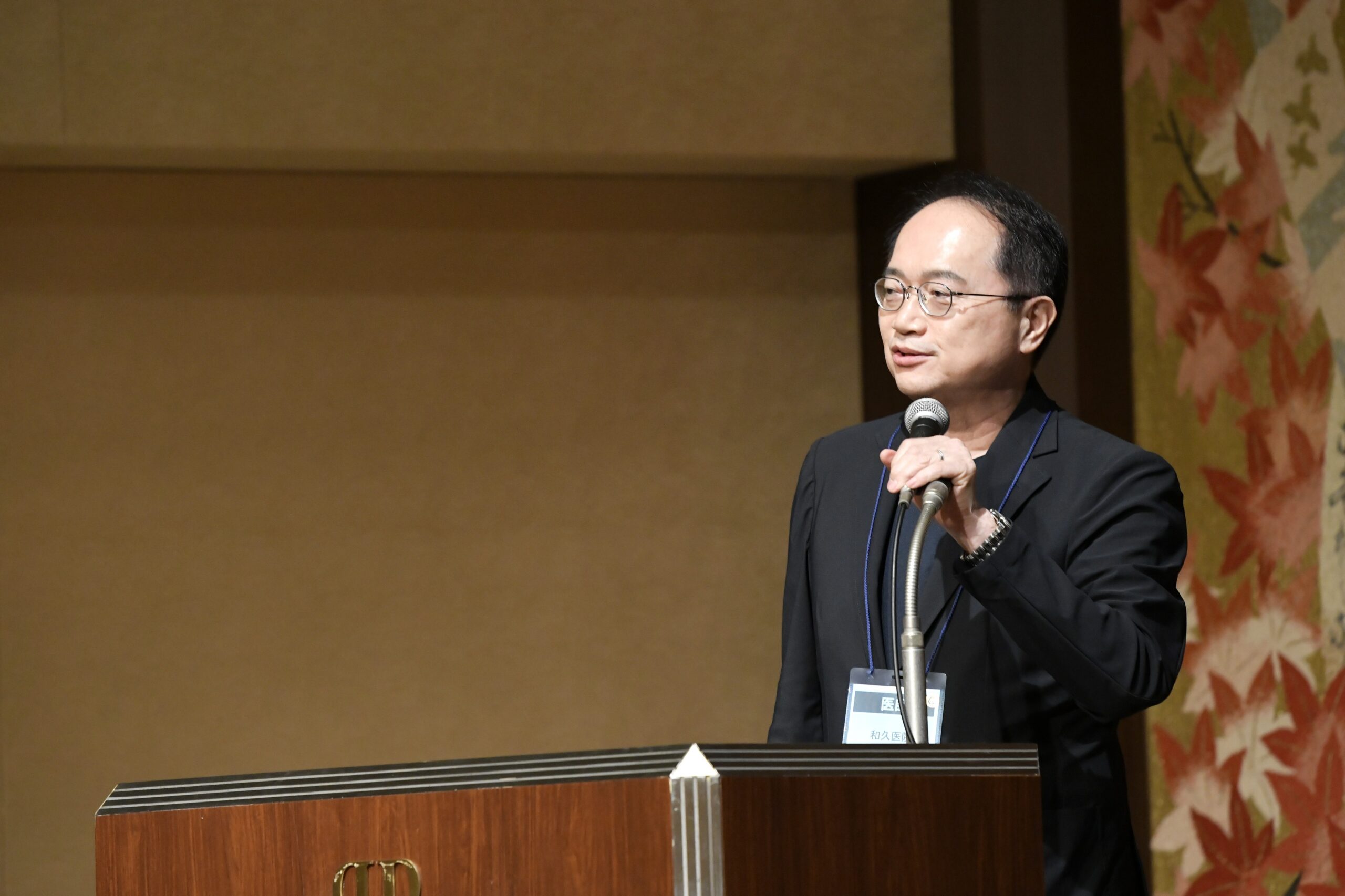
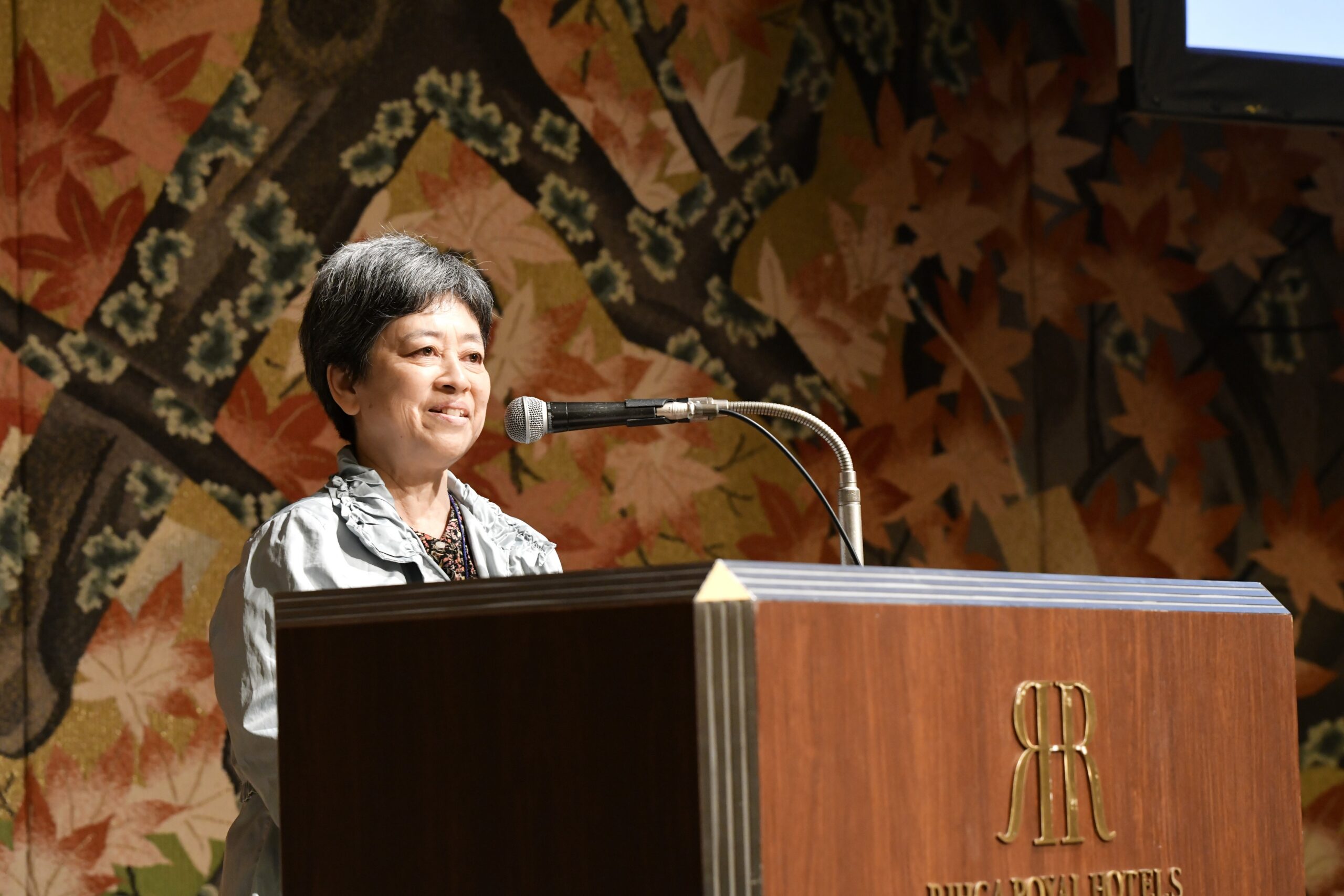
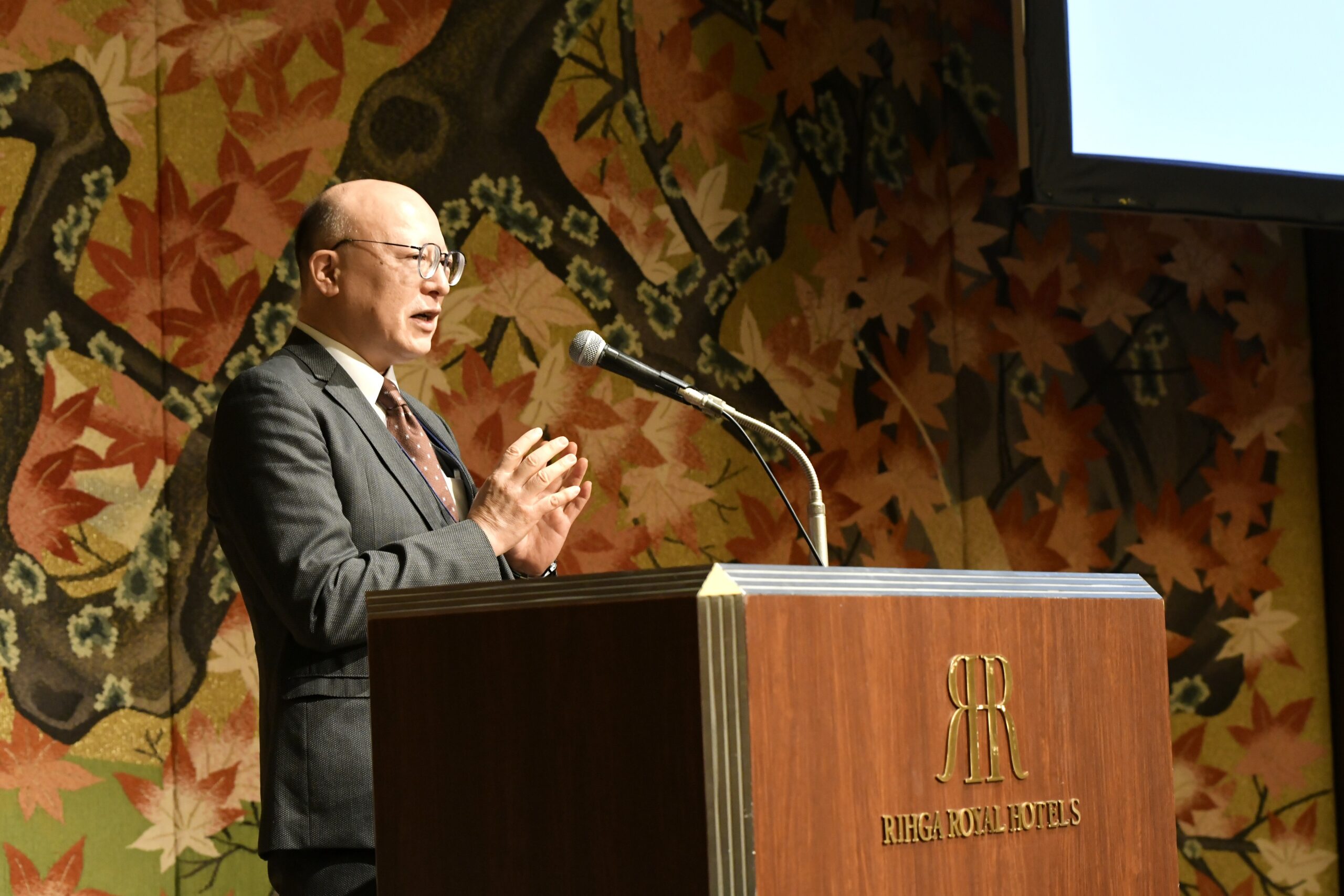
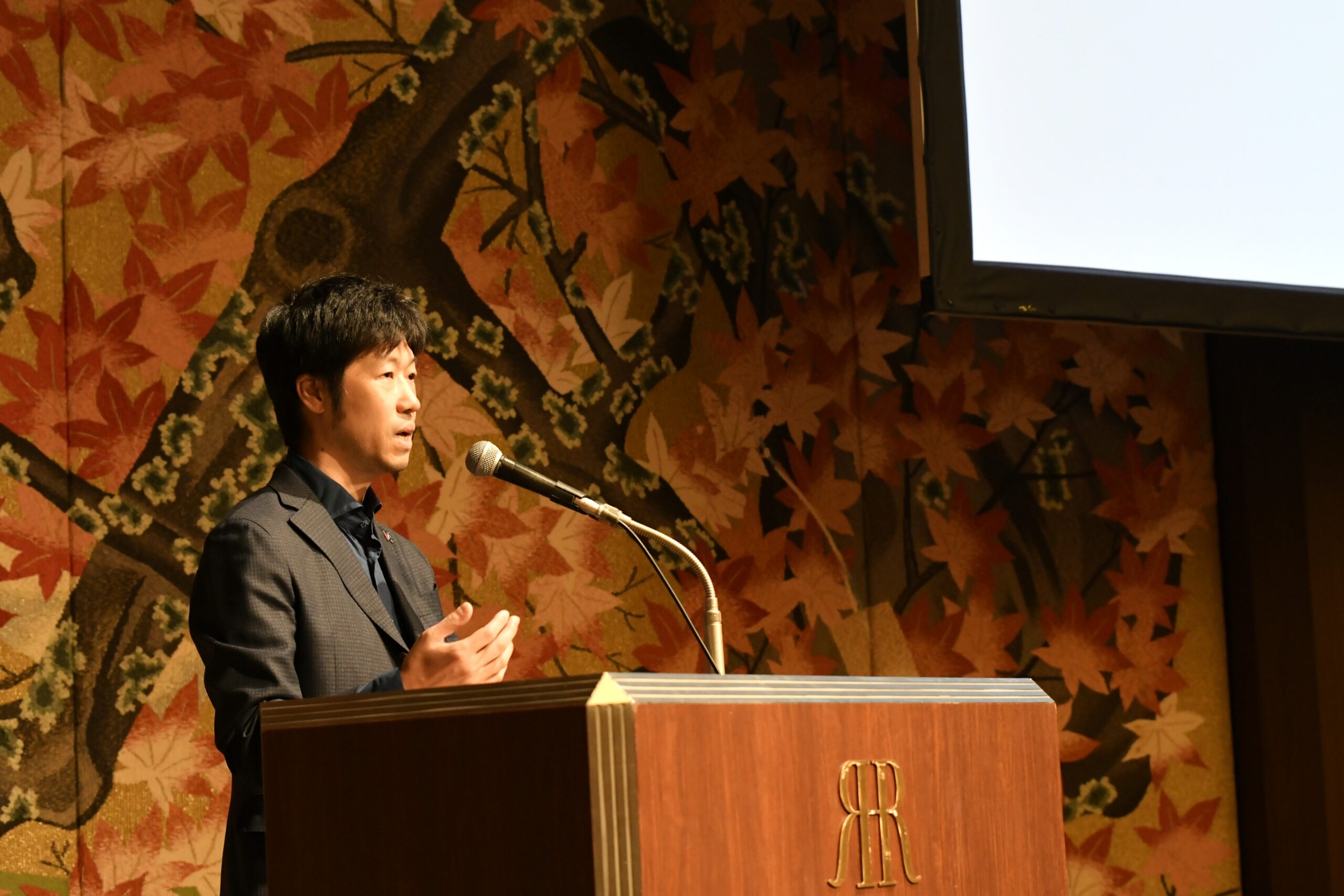
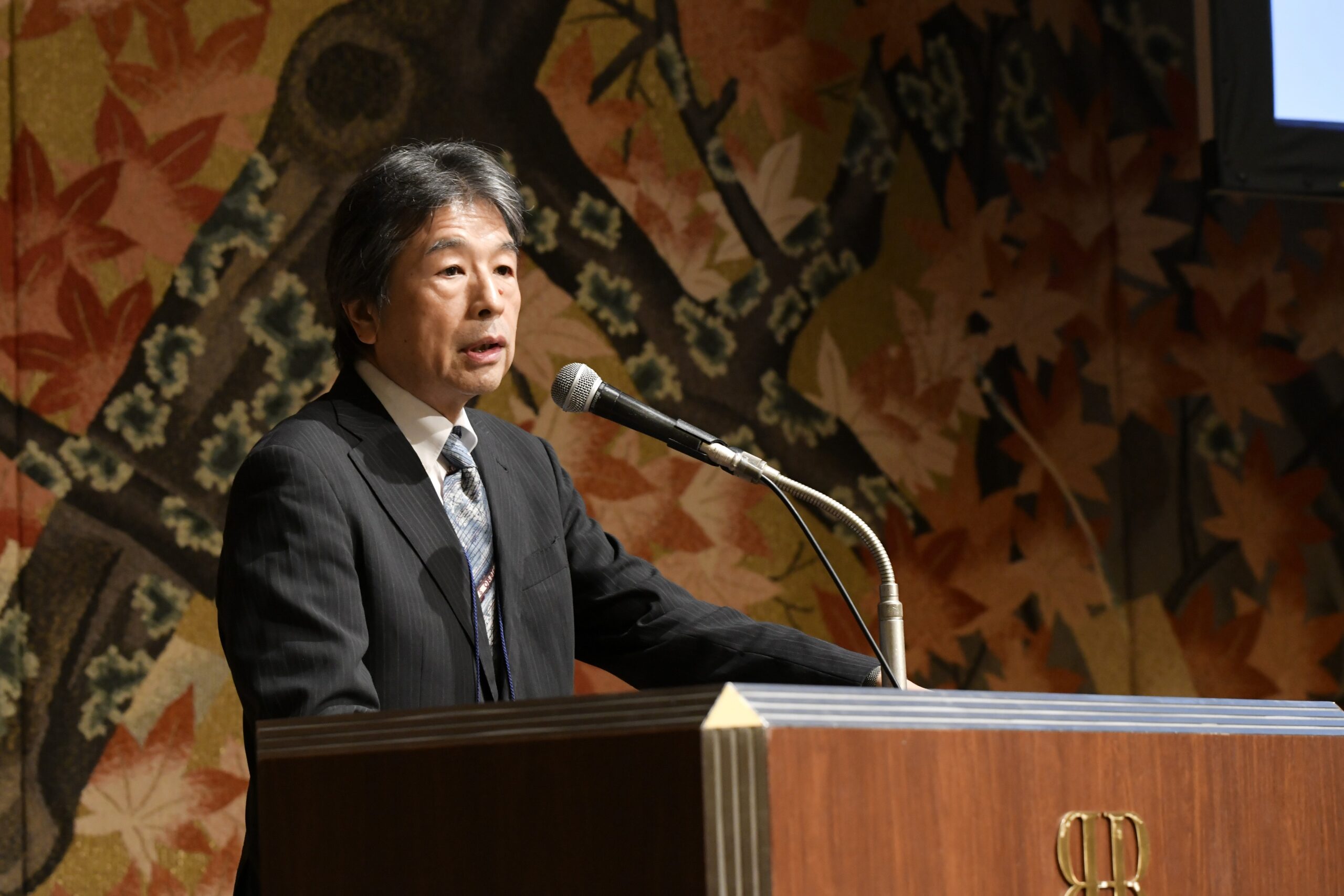
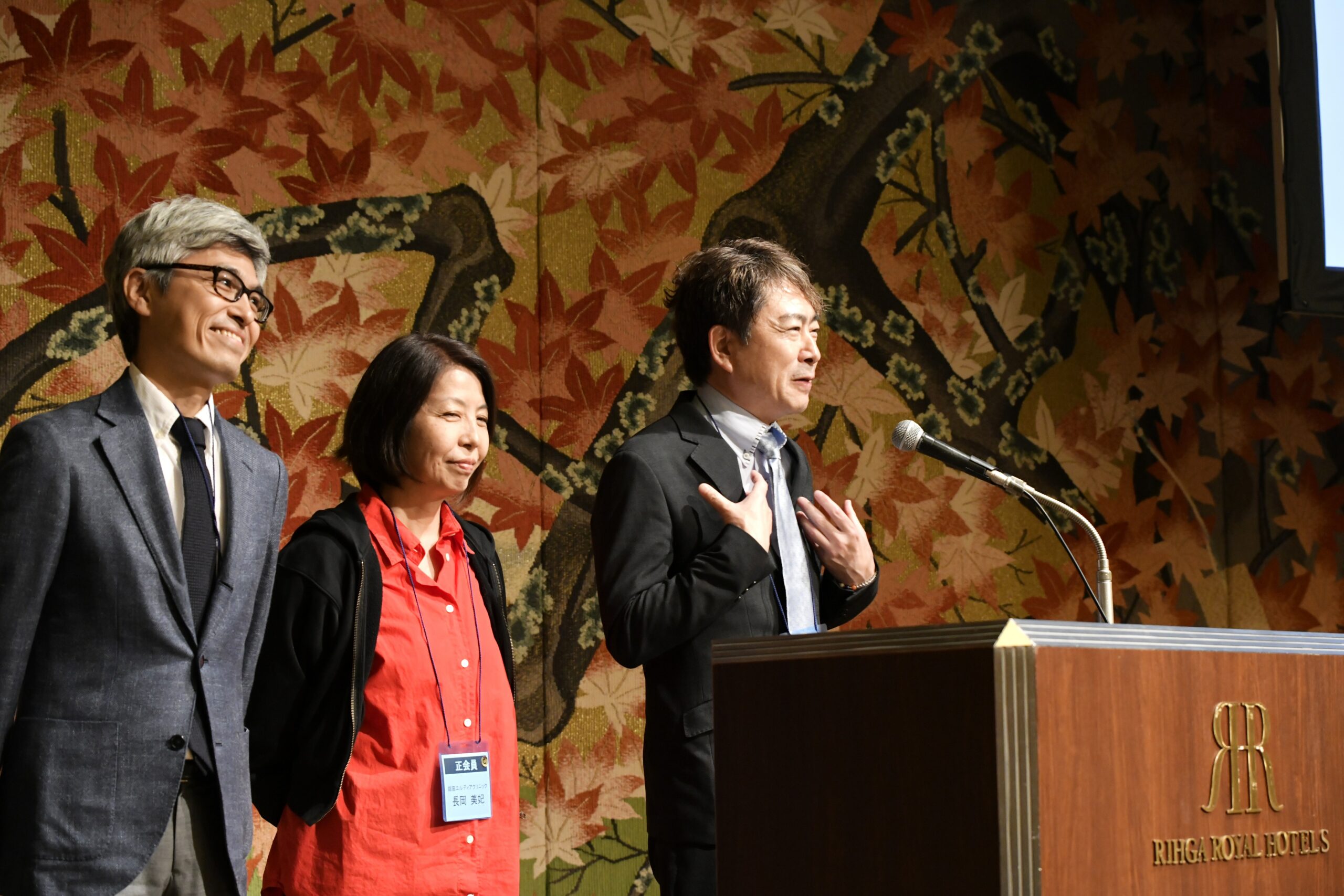
At the conference finale, medical professionals from various fields, including physicians, dentists and veterinarians, took the stage to express their strong commitment to future developments.
Speakers shared their personal experiences of dramatic recovery after receiving FMT and their expectations for a new paradigm that could overcome the limitations of Western medicine. They also highlighted the importance of the One Health perspective, which considers “the health of people, animals and the environment” as interconnected, and of measures to prevent disease before its onset. Practitioners expressed strong enthusiasm for accumulating clinical data and expanding the availability of FMT nationwide.
■ Closing Address
Dr. Shirotani expressed his gratitude to the many participants who attended this milestone 10th conference and paid deep tribute to the efforts of physicians at the forefront of treatment and everyone involved.
Referring to the association’s work across a broad range of conditions, from autism spectrum disorder and ulcerative colitis to cancer treatment, he remarked emphatically, “People outside the association may wonder, ‘What exactly is this organisation?’ However, this very breadth of activity demonstrates how deeply FMT contributes to the treatment of diverse diseases.”
He also reiterated his appreciation for research achievements, including the establishment of foundational technologies combining FMT with hydrogen, and expressed his determination to ensure that this technical expertise is passed on and that the association continues to develop further. The conference concluded with warm applause and a moving commitment to advancing the next generation of medical care.

The Association for Clinical Research of Fecal Microbiota Transplantation Japan (General Incorporated Foundation)
10th Scientific Conference
■ Highlight Video
■ Participant Survey
We have compiled the survey responses from participants in the 10th Scientific Conference by session. Please see the article below for a summary of the survey results.
■ Sponsoring Companies (Listed in Japanese Alphabetical Order)
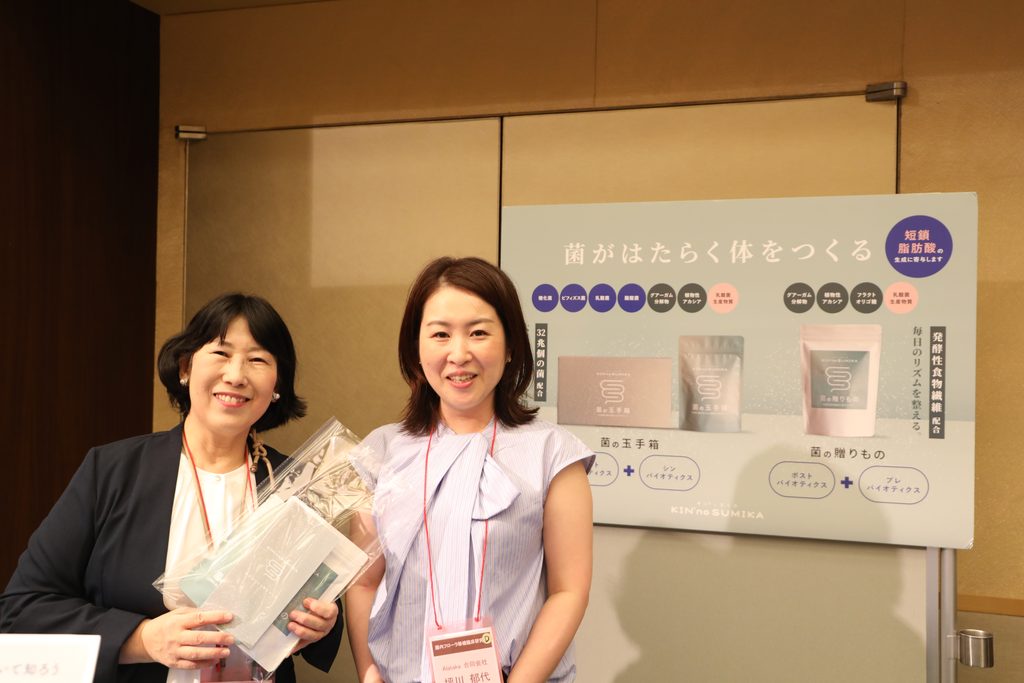
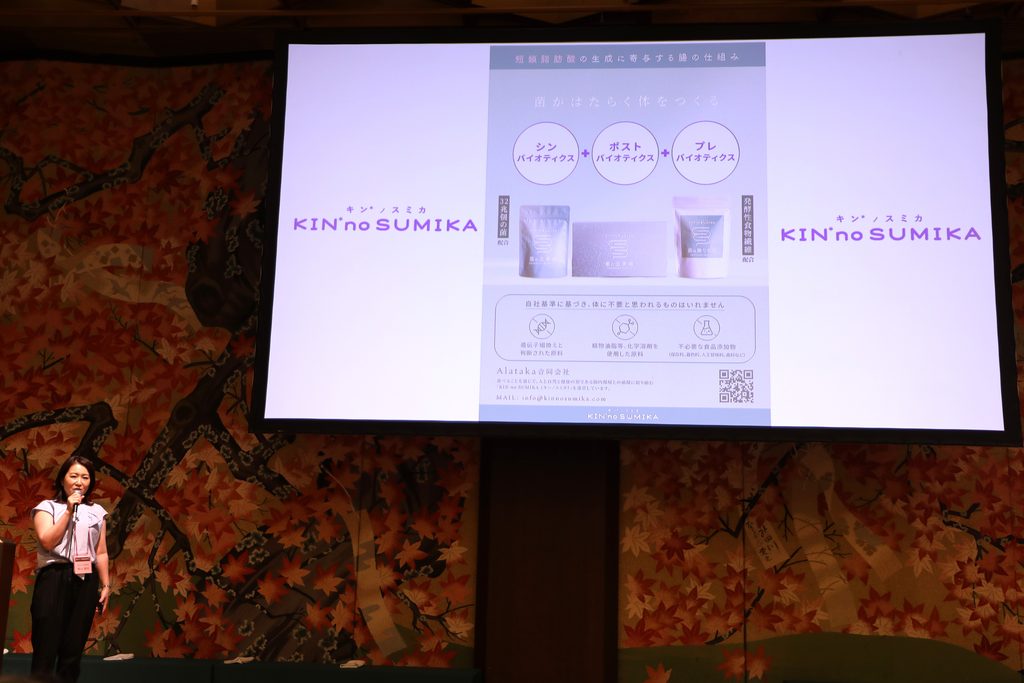
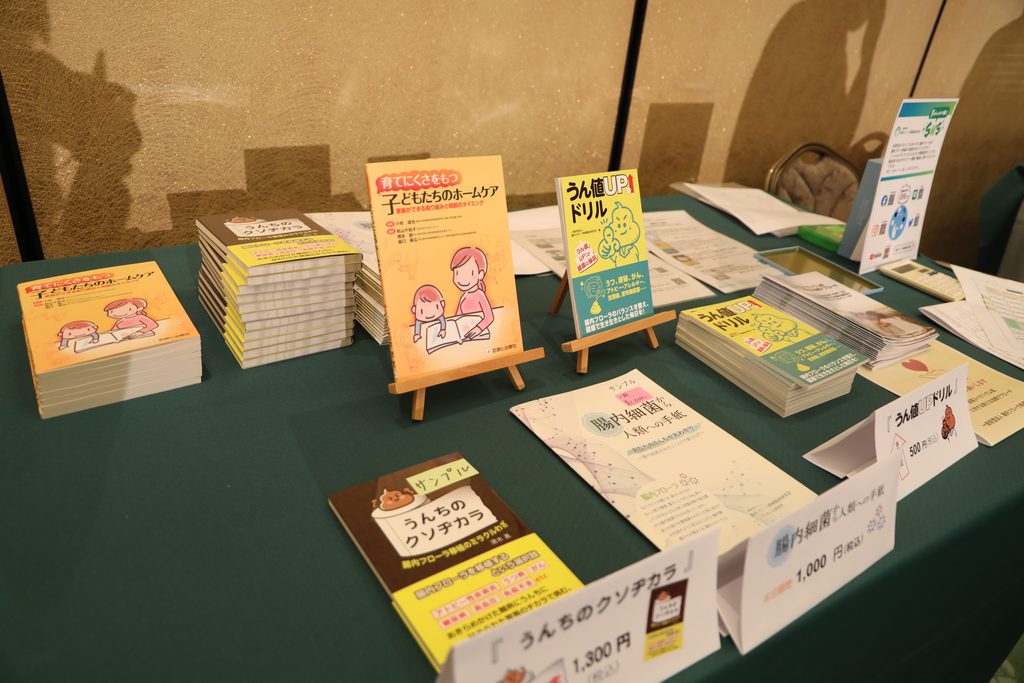
 Going beyond conventional supplementation with a single bacterial strain, this medical-grade and inner-care supplement focuses on “microbial diversity and succession”, nurturing the diversity of the entire gut environment. With carefully selected quality ingredients and a low-FODMAP formulation, it supports the body’s fundamental well-being from within while taking abdominal bloating into consideration. Please visit our conference booth to see the actual products.
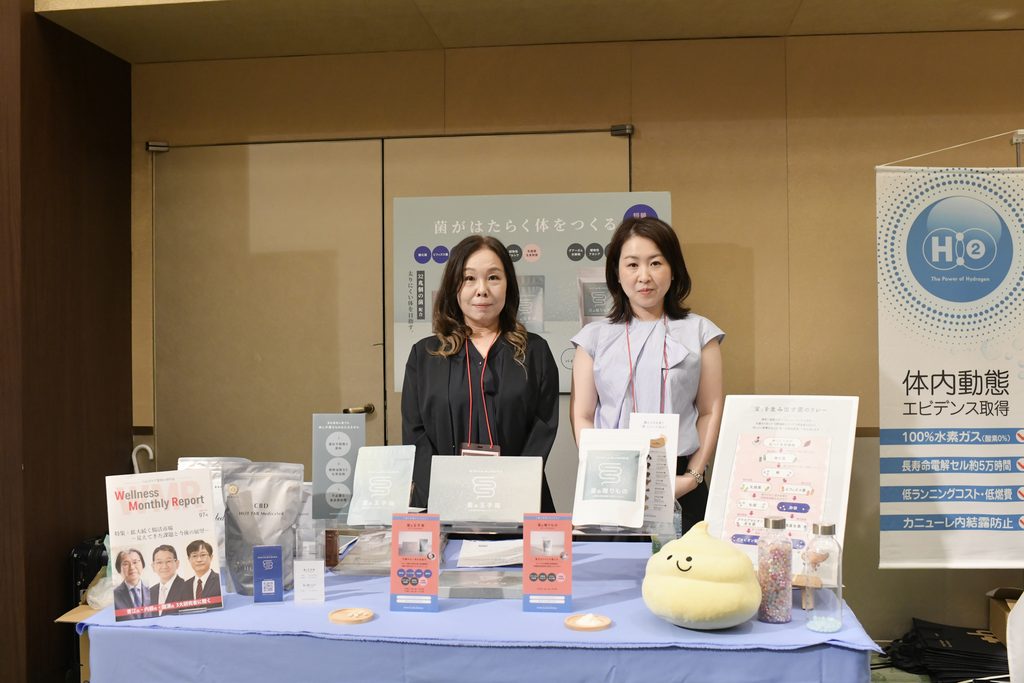
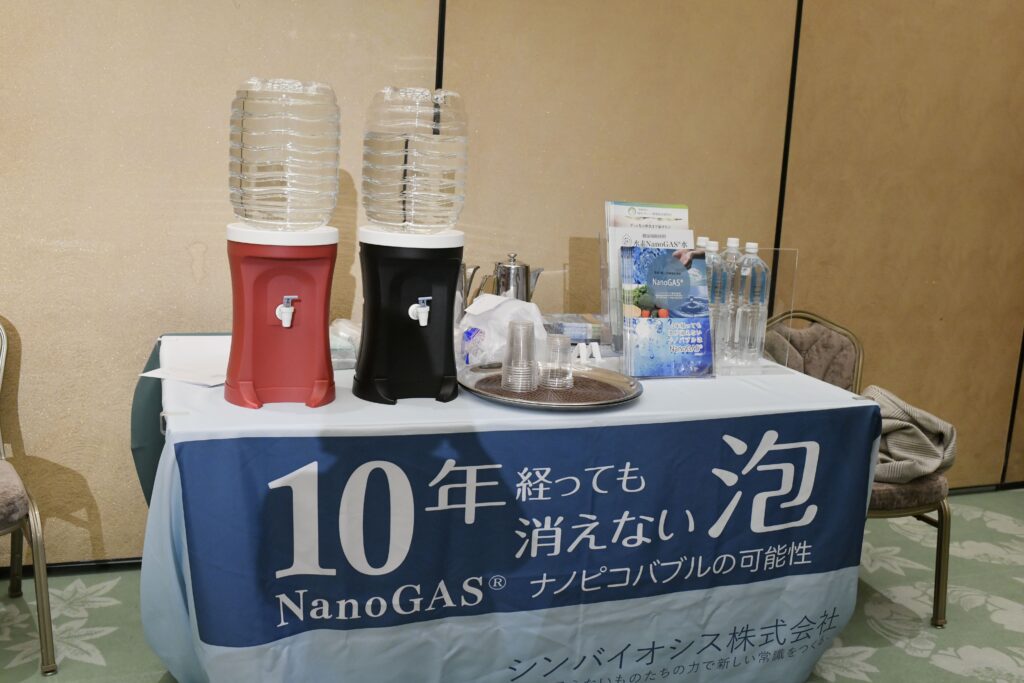
 Our core technology, “NanoGAS®”, enables the long-term stable retention of nano- and pico-sized bubbles. We have developed a new faecal microbiota transplantation (FMT) technology and established clinical evidence in the healthcare field. With its oxidation-suppressing and microbial growth-inhibiting effects, the technology can also be applied across a wide range of industries. Licensing and joint development opportunities are available to dramatically enhance the added value of existing products.
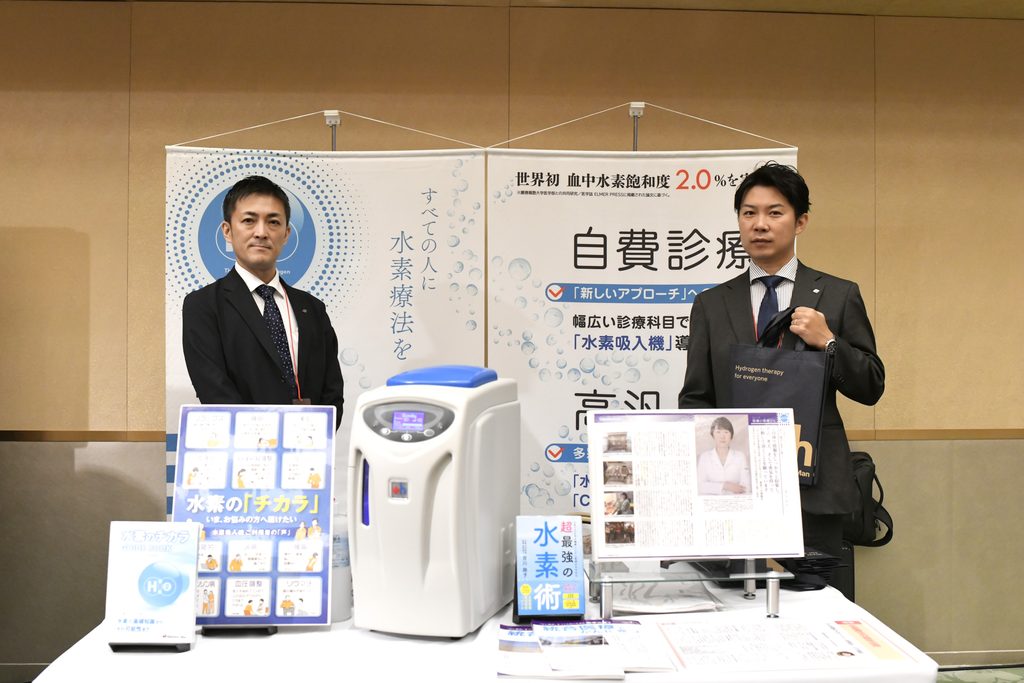
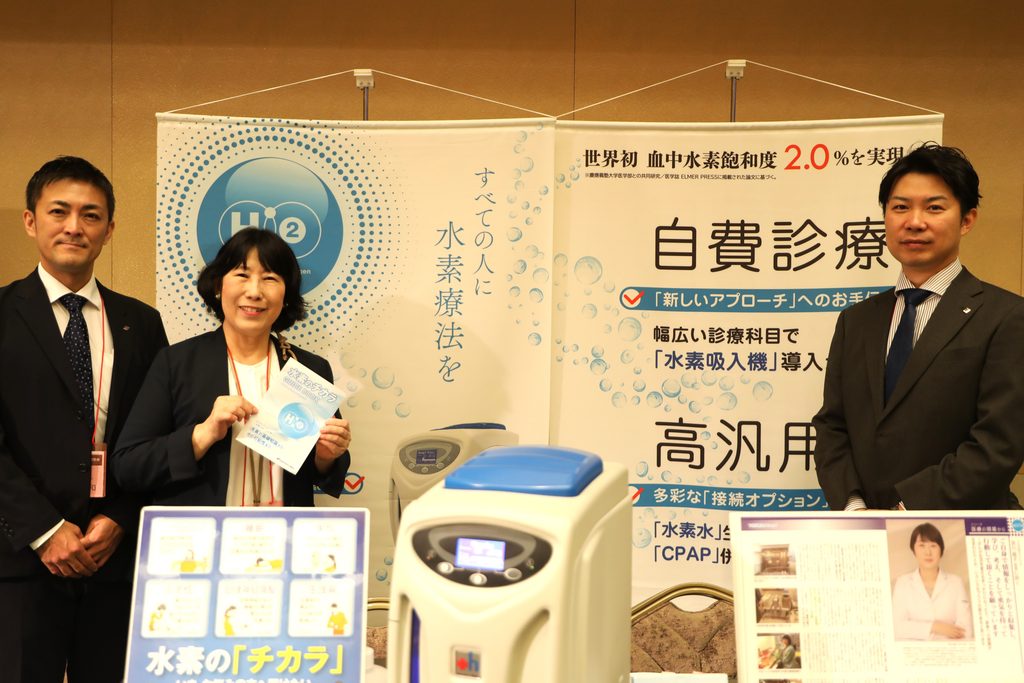
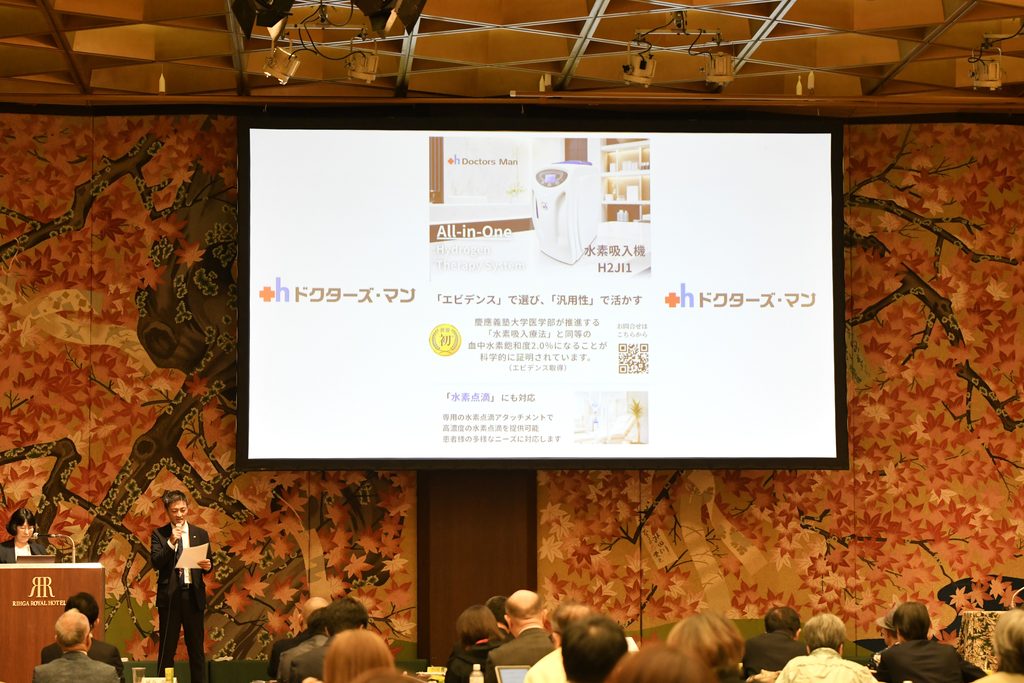
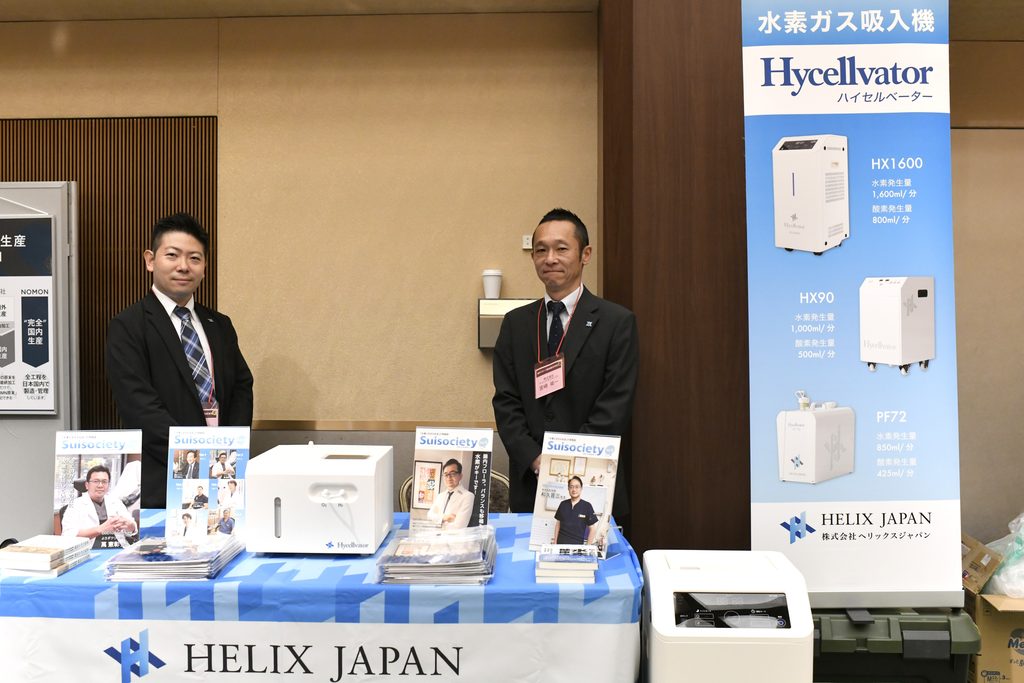
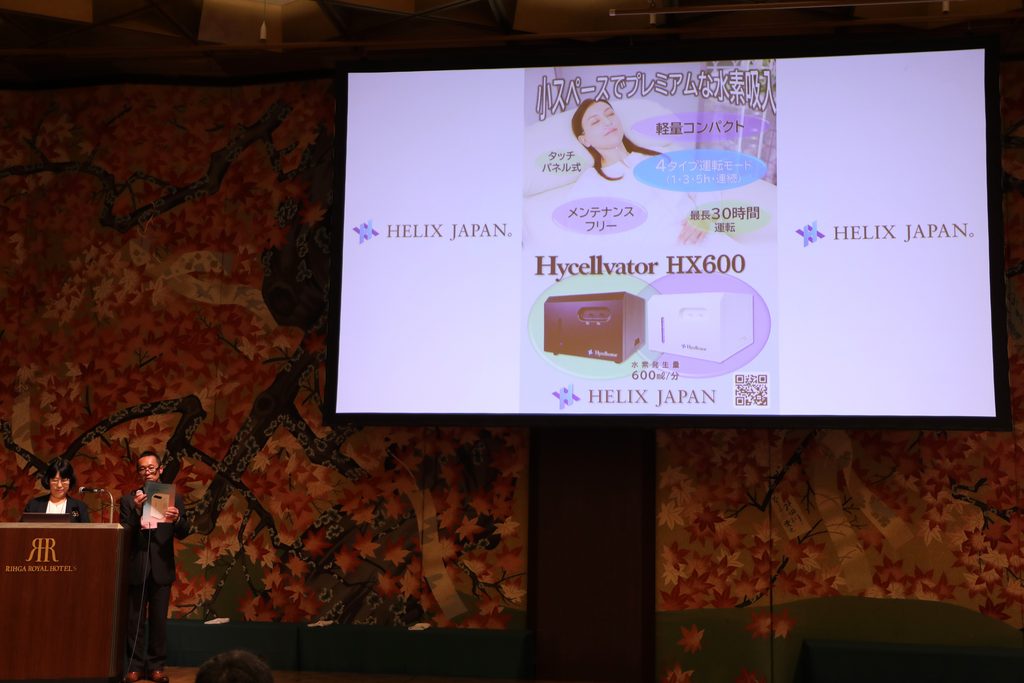
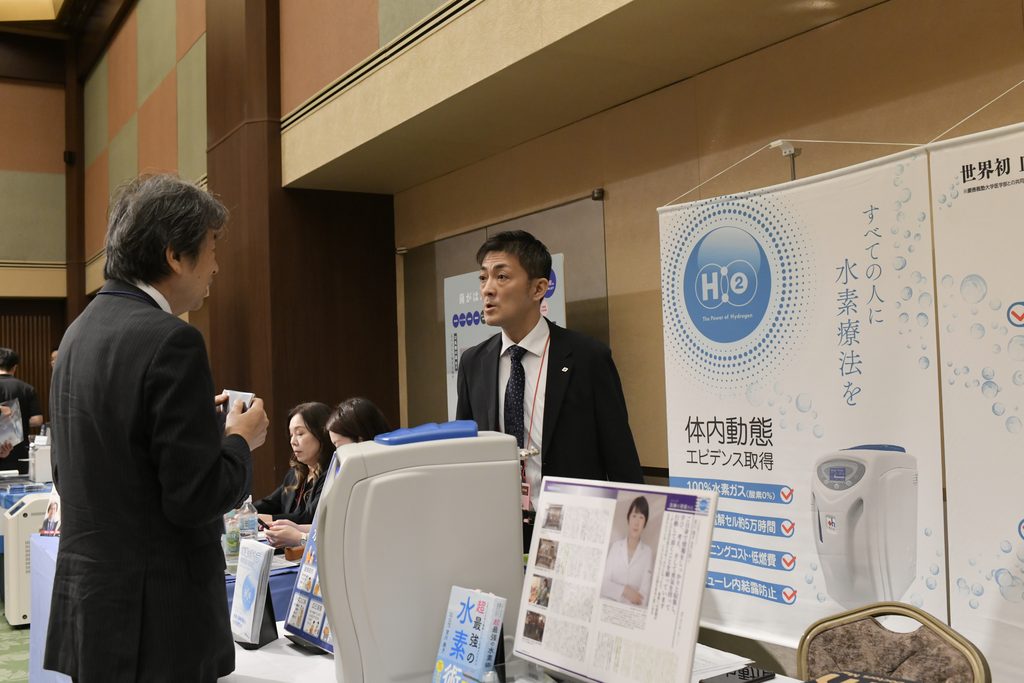
 The “H2JI1 Hydrogen Inhalation Device” has been adopted by more than 500 medical institutions and facilities nationwide.
■Achieves a “blood hydrogen saturation level of 2.0%” comparable to that used in advanced medical treatments
■Industry-leading long service life, exceptional durability and low running costs
■One device with three functions: “hydrogen inhalation”, “preparation of hydrogen infusions” and “production of hydrogen-rich water”
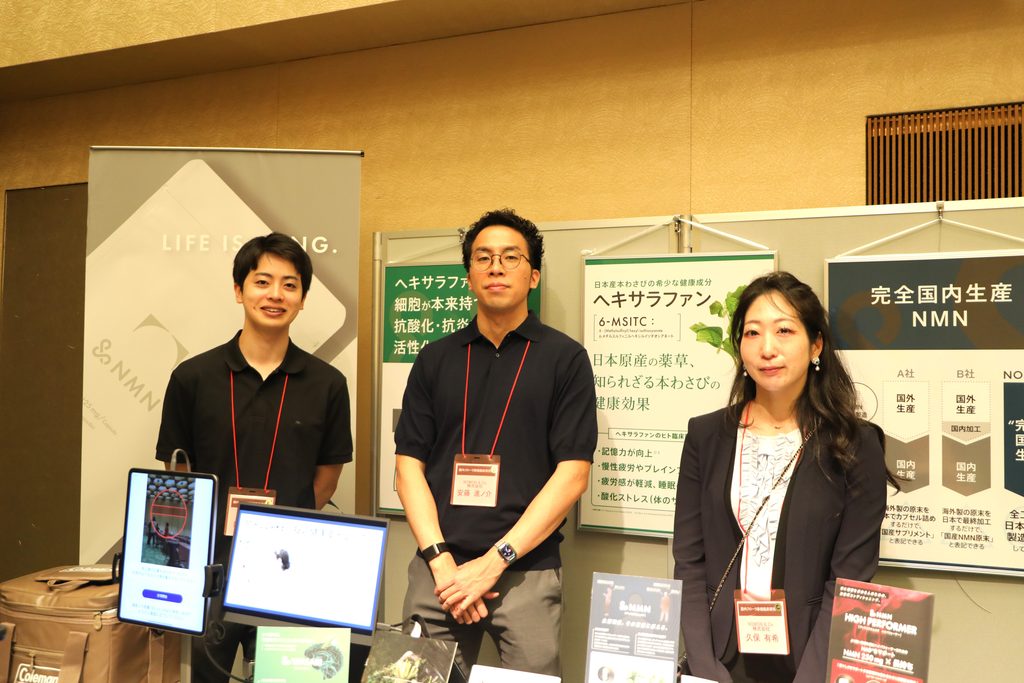
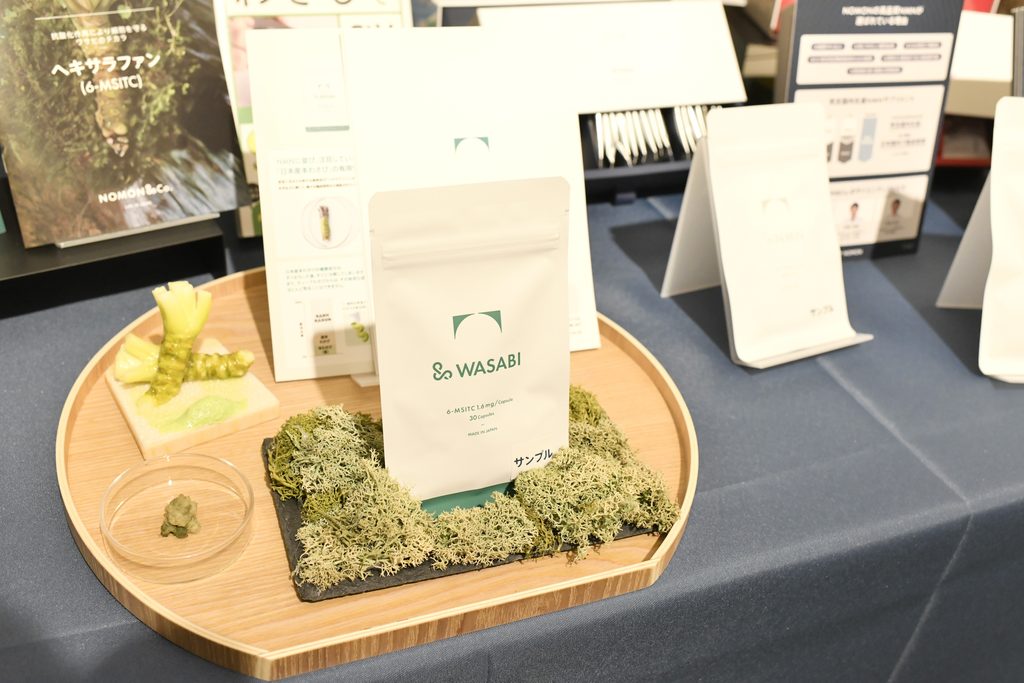
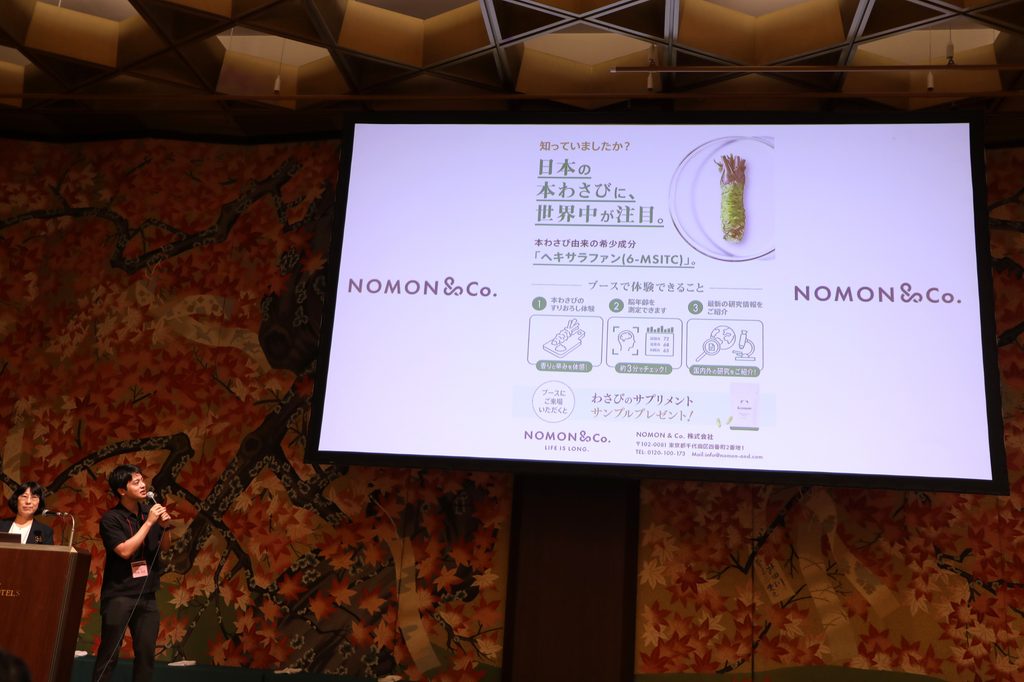
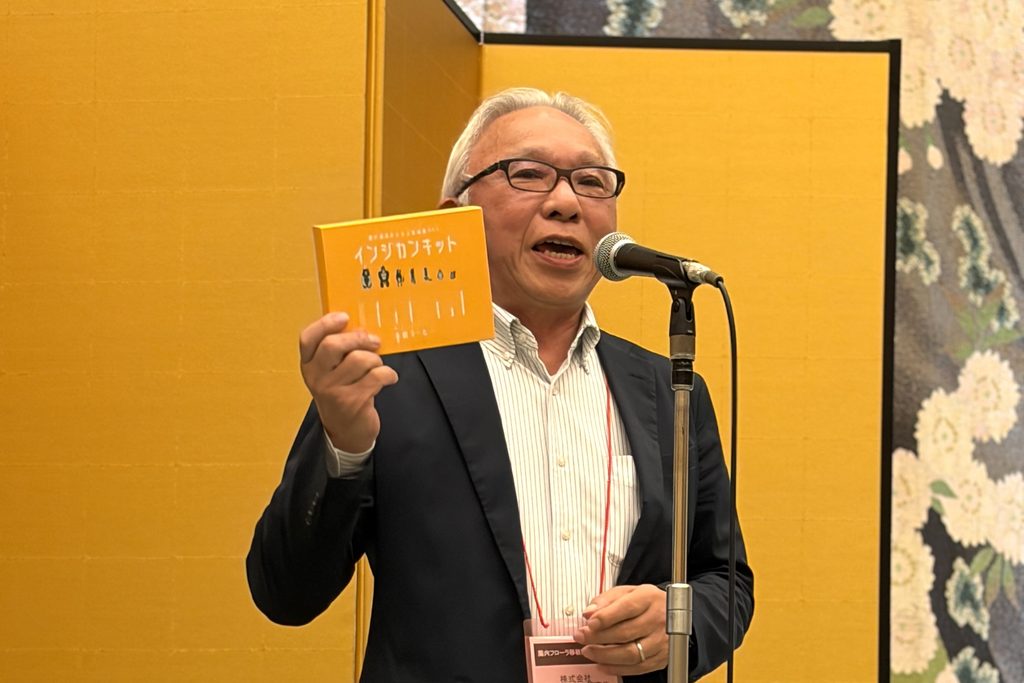
 We are a healthcare company offering supplements based on scientific evidence from ageing research. At our booth, we will introduce research findings and products related to the effects on cognitive function of “Hexaraphane (6-MSITC)”, a rare compound derived from Japanese-grown authentic wasabi. Visitors can also enjoy a hands-on experience of grating fresh wasabi, taste it and try a brain-age assessment using eye movements.
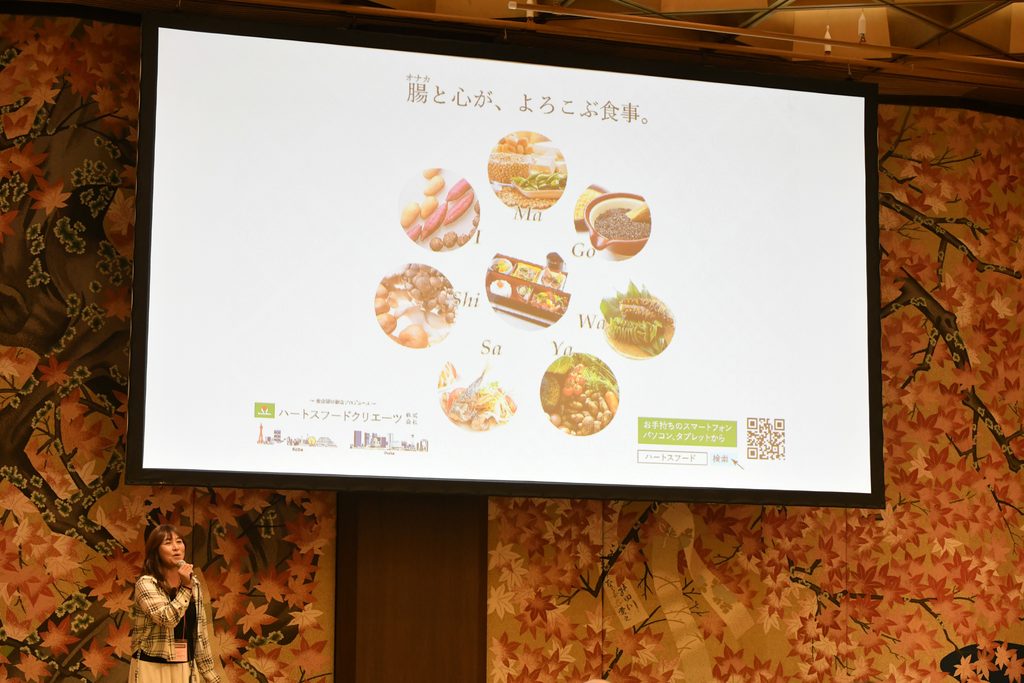
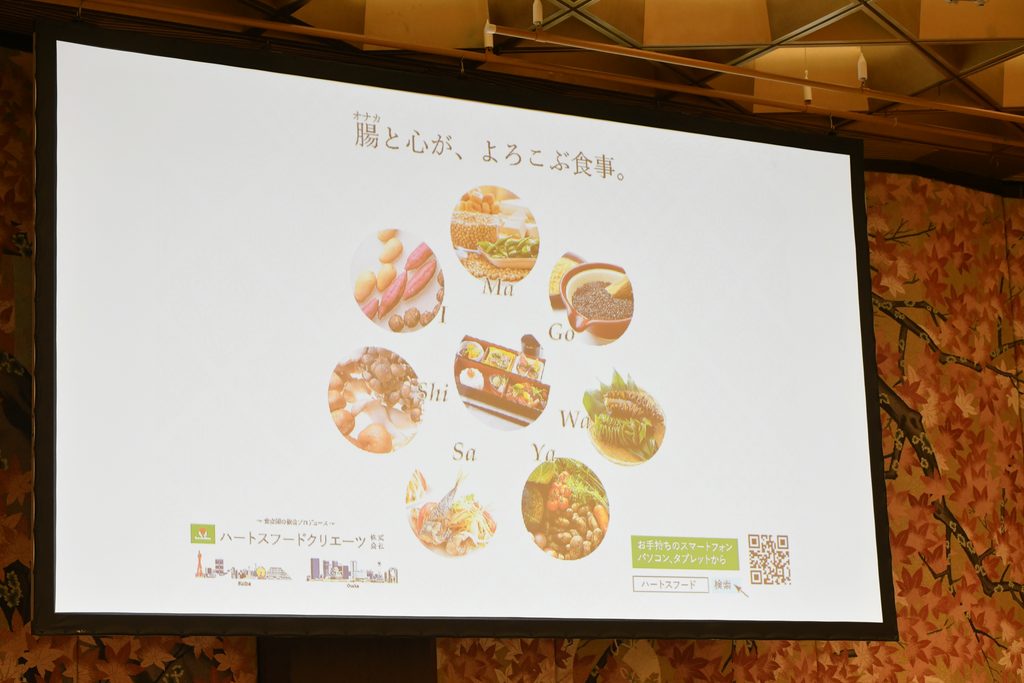
 Guided by our philosophy of connecting people and communities through food, we provide lunches for the children who will shape the future, operate restaurants and cafés, and manufacture and sell sweets. We also place great importance on health and productivity management and hygiene management, maintaining certification as a Health & Productivity Management Outstanding Organization for seven consecutive years. As a company dedicated to the future of people and food, we aim to contribute to the creation of a sustainable society.
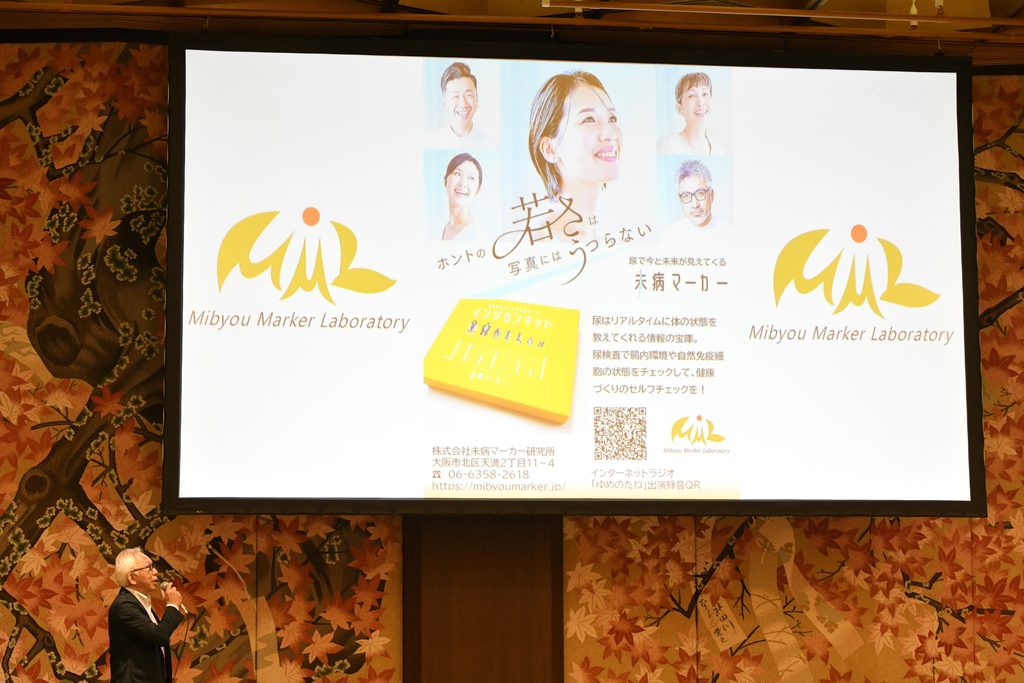
 Using the intrinsic fluorescence properties of urinary biomarkers, we offer two tests based on patented technology: a gut environment assessment (indican test) and a natural immune cell activity test (pteridine test). Compared with blood or stool, urine can reflect changes in daily physical condition more quickly. These tests are increasingly attracting attention as tools for assessing health risks.

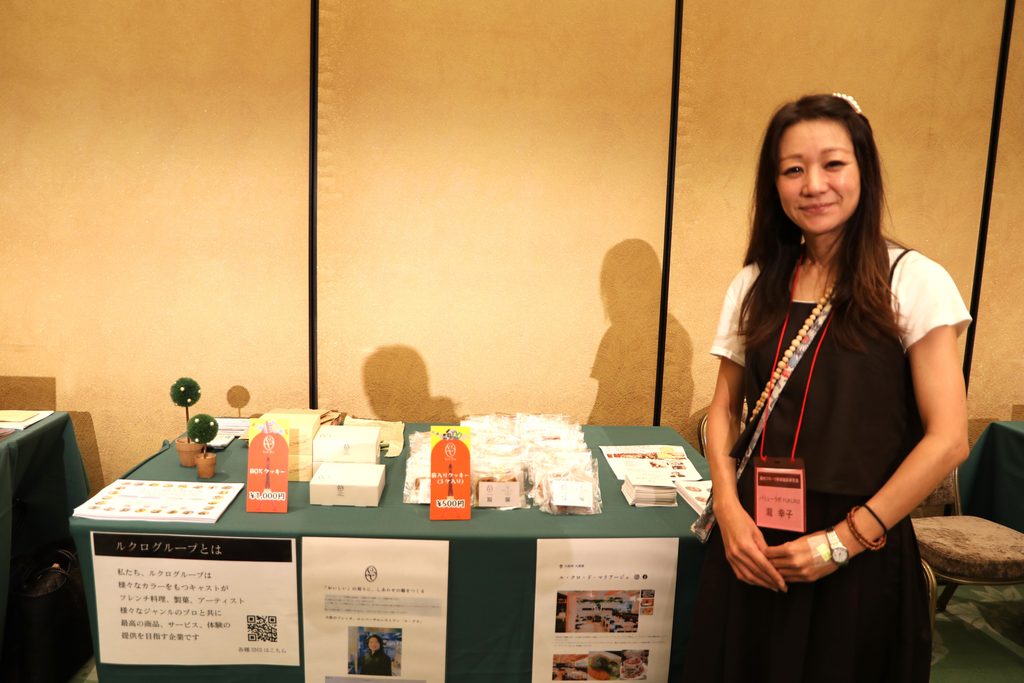
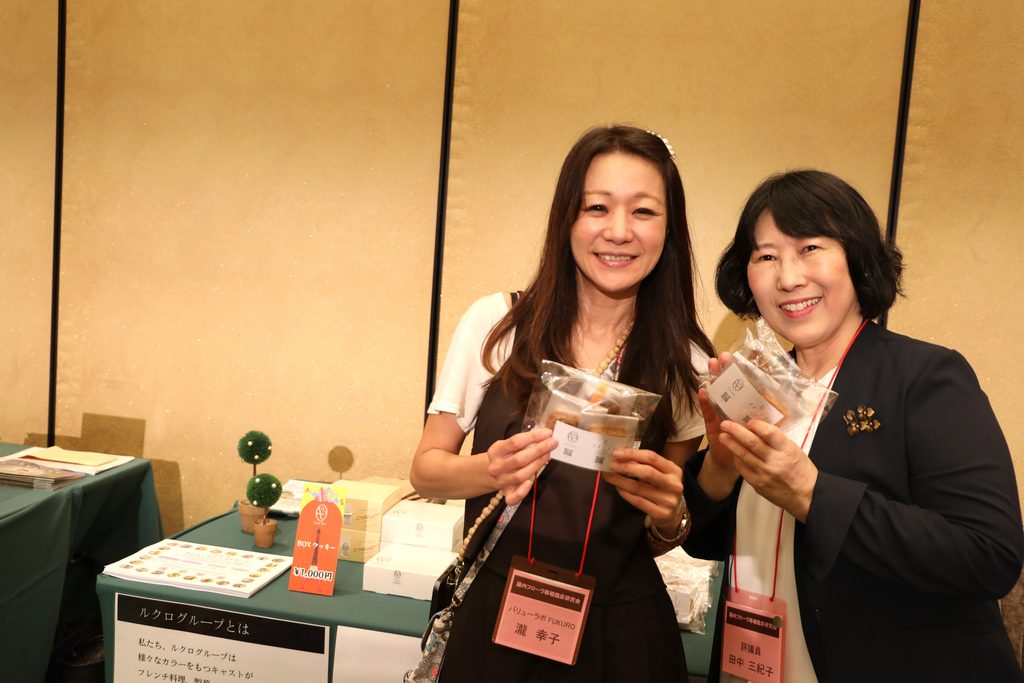
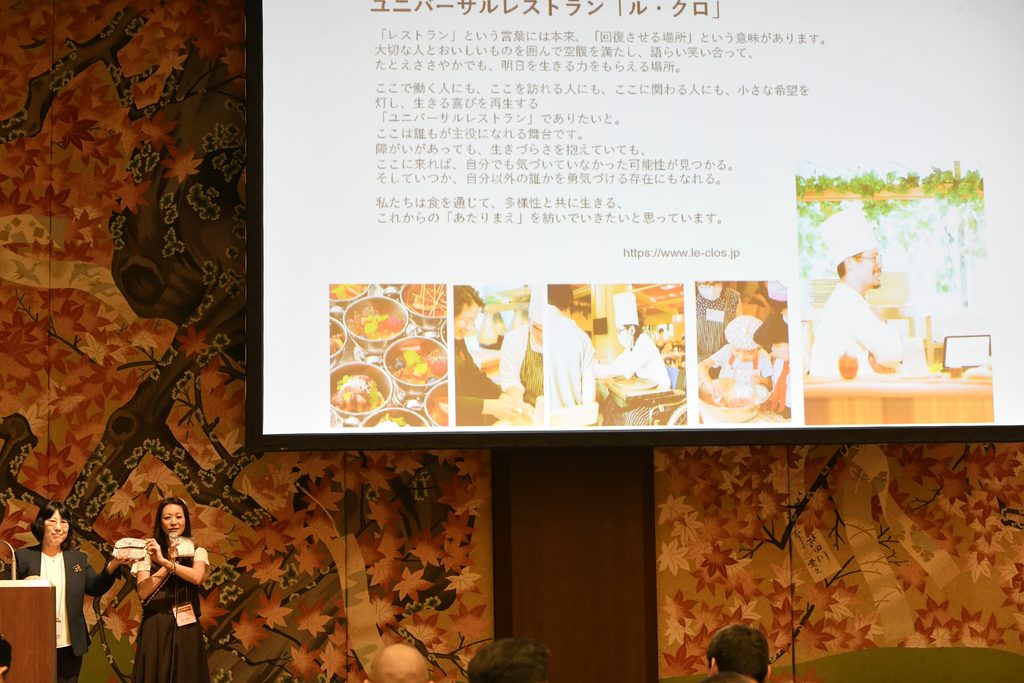
 Owner-chef Isao Kuroiwa established a welfare facility out of his desire to create a workplace where people with and without disabilities can work together. At the welfare facility in Tenmabashi, service users known as “cast members” are involved in a wide range of activities, including food preparation, dessert making and customer service. We will be offering baked goods (five varieties of our highly popular handmade cookies) at the event!
The Association for Clinical Research of Fecal Microbiota Transplantation Japan (General Incorporated Foundation)
10th Scientific Conference
Outline of the event
| Date | Sunday, 27 September 2026 |
| Schedule | Doors Open: 9:00 / Conference Starts: 10:00 / Conference Ends: 17:00 |
| Reception | Starts at 17:30 |
| Conference Format | Hybrid Format (In-Person Venue + Live Online Streaming) |
| venue | RIHGA Royal Hotel Osaka, Vignette Collection West Wing, 2nd Floor, Sanraku Room 5-3-68 Nakanoshima, Kita-ku, Osaka (View Access Map Here) |
Secretariat and Enquiries
For any questions or enquiries regarding the conference, please contact the secretariat below.
Intestinal Flora Transplant Clinical Research Foundation
- Address: 401 Est Nouveau, 2-1-40 Katamachi, Miyakojima-ku, Osaka-shi, Osaka, Japan
- Official Website: https://fmt-japan.org/
- E-mail: info@fmt-japan.org
- TEL: 06-6809-5296
- FAX: 06-6777-2204
Related Articles
Read the Event Report for Last Year's 9th Scientific Conference Here
Update History
・Published: 15 May 2026
・Last updated: 28 September 2026